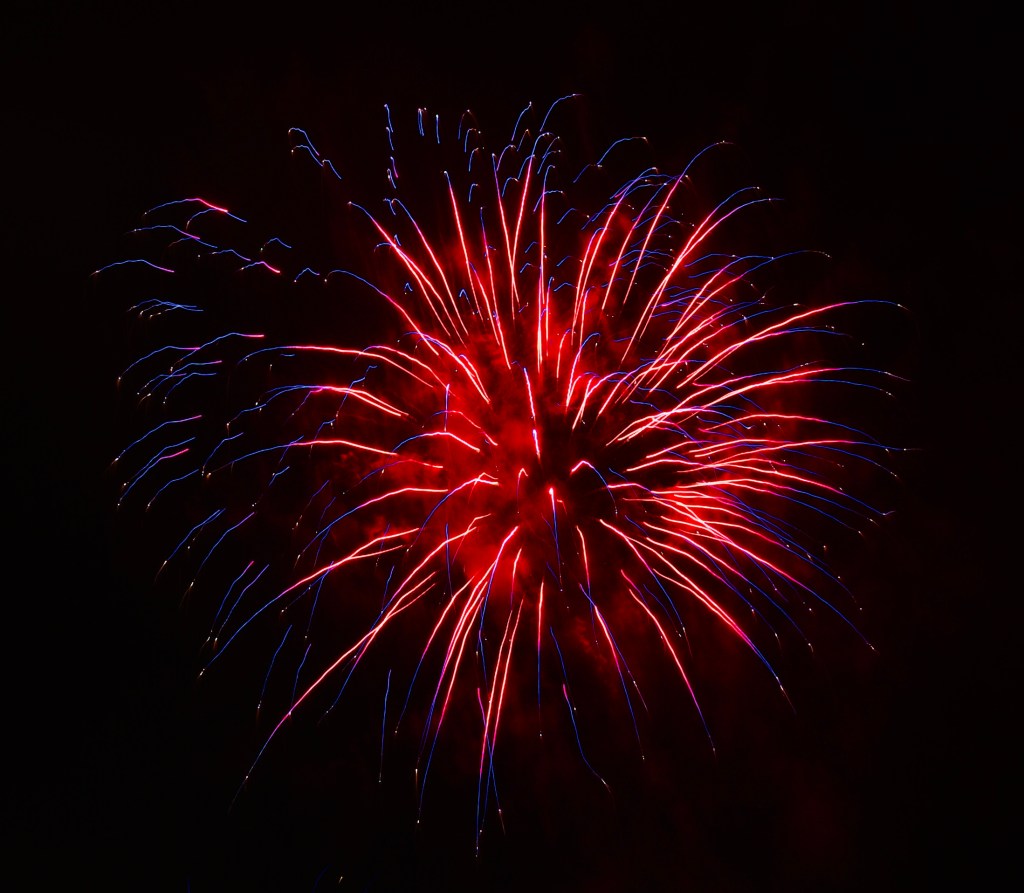
After watching the first half of the Georgia vs Michigan football game, I got up off the couch and grabbed my gear and headed off to Cascades Park in downtown Tallahassee in an effort to create a few New Years Eve fireworks photos. Rain was still falling as I drove to the park as I had told myself I wouldn’t stand in the rain nor would I stand in a group of people. Earlier in the day I had scoped out what I had thought would be a good vantage point to take photos while we were riding thru the park in the early morning hours heading down to Wakulla County.
The fireworks show did not disappoint!
Fortunately the rain let up and I parked at the pool parking lot at Myers Park and walked into the park. The crowd was not bad but the event was well attended.
People who attended were treated to a great show!
I had an idea of where the fireworks would be launched and where the crowd gathered around the amphitheater would best see them.
The show was short but sweet!
I chose a hillside next to a railroad trestle as my best vantage point. Having never photographed fireworks at this park before it was only a guess as to where they would be launched for the best view for the crowd!
It was a great fireworks show!
I set up a tripod and affixed the camera to it. Fireworks have always been challenging for me but with a 2sec exposure setting I hoped for the best!
I set up in a spot to capture the Tallahassee skyline.
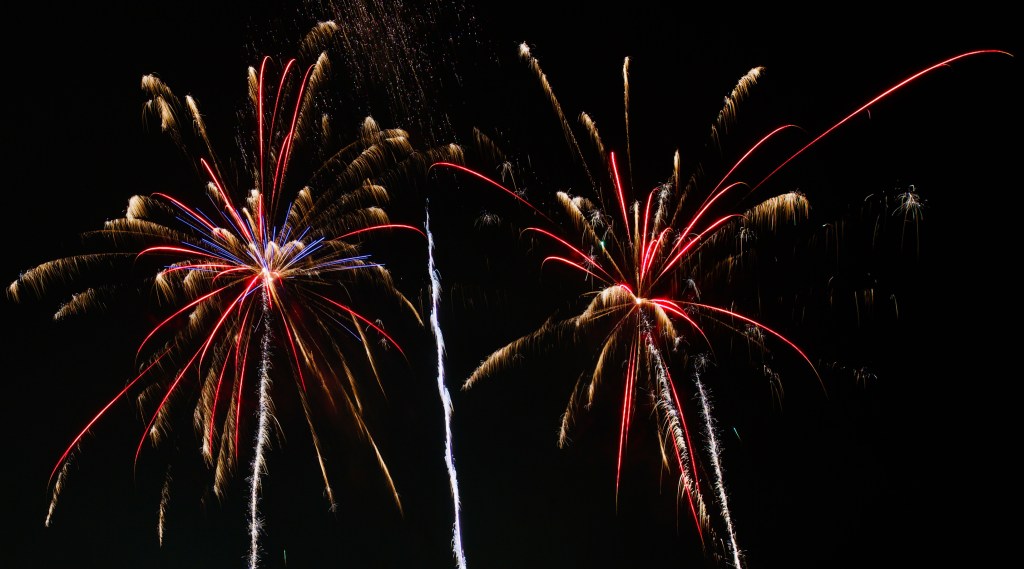
Soon the show began with a “bang!” It was a fast and furious show with little downtime between launches!
The Florida State Capitol can be seen to the left.
The crowd was really into it and seemed to enjoy the show!
The show was well choreographed!
There were a lot of kids in the crowd who like me enjoyed it!
The show was exceptional! Fortunately the humidity did not affect the show! Kaboom!
As with a lot of fireworks shows the smoke lingers in the air and effects the quality of the show. Although it was a hot and humid night the smoke quickly dissipated and was not a factor!
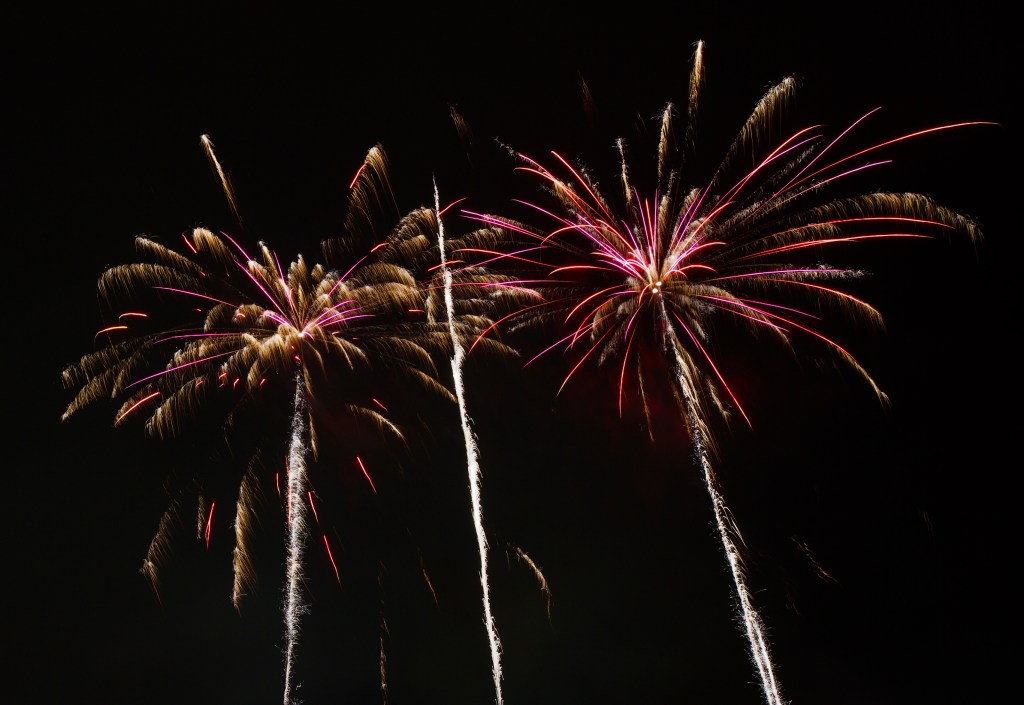
Spectacular show! The colors were great! Wow! Intense! Showers! Beauty! Palm Trees! Awesome show! The Grand Finale!
Kudos to those who sponsored and put on this wonderful show! Those who attended did not leave disappointed! After the show I packed up and walked back to the truck and headed home early enough to watch the end of the Georgia Bulldogs victory over the Michigan Wolverines.
So ends a really crazy year. Although I could complain about things I won’t. The year was good to me and I am very thankful God has seen me thru it and out the other side. Looking forward to a fresh beginning in 2022.
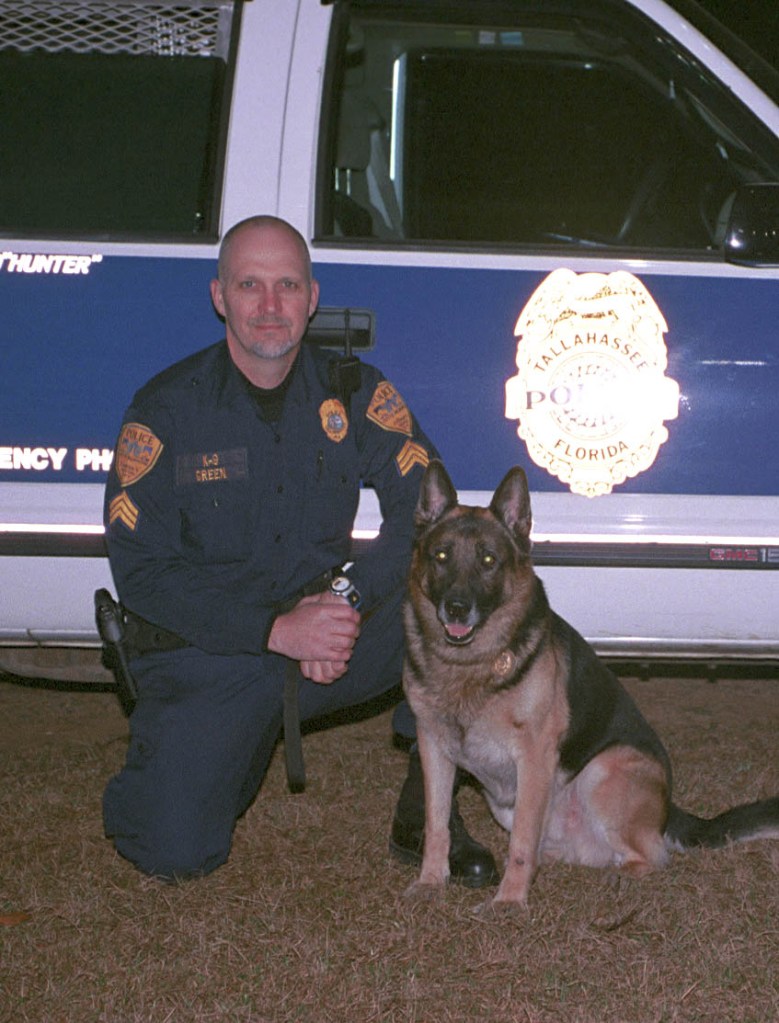
Dale Green was a Sergeant with the Tallahassee Police Department. He was a father, a husband, a son, and a friend to many. He was also the Sniper Team Leader of our Tactical Unit. Dale was good at everything he did and he was a very accomplished Police Officer. He was highly respected by those he worked with and by the community he served. Unfortunately Dale was shot and killed in the line of duty on November 13, 2002 by a home invasion robber who had forced his way into the southwest Tallahassee home of two women to rob them of drugs. The suspect robbed the wrong house. One of the women was able to get to a phone and call Police. Dale quickly arrived and confronted the robber in the front yard as he was fleeing. It was there that Dale lost his life. Several hours later the robber was arrested after a lengthy vehicle chase and more shots being fired. Dale now rests in a small rural cemetery in Wakulla County, Florida. The robber spends the remainder of his life in a Florida prison. Those of us who knew and loved Dale push on.
While visiting the Officer Down Memorial Page online earlier this year a message had been left by a lady in North Georgia who had written that her seven year old son had been swimming in the Toccoa River near Copperhill, Tennessee near a railroad trestle in July and had found a Dale Green memorial bracelet on the bottom of the river between two rocks. The water had weathered the bracelet however the inscription could still be read. The mother and her son (Isaac) left a message on Dale’s Officer Down Memorial Page (ODMP) explaining the find and wanting to return the bracelet to Dale’s widow Deb. Having read this post I thought about how bizarre it was for one of Dale’s memorial bracelets to end up on the rocky bottom of a Tennessee river only to be discovered by a 7 year old boy who had the heart to want to return the bracelet to Deb.
After several attempts I located this family on Facebook and contacted Isaac’s mom. I thanked them for finding the bracelet and making an attempt to return it. I explained that this was more than a mere coincidence. What are the chances, right? I went on to tell her about Dale, the kind of man and Officer he was and how he was killed. I told her that Dale would want Issac to keep that bracelet and let it serve as a reminder to always do the right thing. I encouraged Issac to “be like Dale” in all that he does.
Our Sniper Team Leader, Friend and Mentor Sgt. Dale Green
I soon received a message from Issac’s mom who told me that she would build a plaque to put the bracelet on and she will proudly display it on the wall in Issac’s bedroom. She went on to tell me that Issac admires law enforcement Officers which confirmed my belief that this was more than mere coincidence. I asked her what size shirt Issac wears and she told me, I told her I’d send him a shirt. As I began to share the story of the bracelet with family and friends they too were amazed by the story, many suggesting that it was more of a “God thing” than just mere coincidence or a lucky find on the rocky bottom of a Tennessee river.
I called my good friend Jeff Mahoney who is the Tactical Team Leader and explained the situation and asked him if I could get a Team T Shirt to send to a seven year old boy. Jeff too was impressed with the story and suggested that the Team would gladly provide more than just a T Shirt. He contacted Eric Robinson and explained the situation to him and E Rob went to work! Within a few days E Rob had collected challenge coins, patches, a shirt, decals, and other items to include a very nice “Tactical Team” poster which had been signed by the entire Team as well as the City Manager, Assistant City Manager and Police Chief! Mark Wheeler and Jay Etheridge provided additional gifts. Again, everyone who heard the story was impressed not only with the find but with the good heart of a seven year old boy who only wanted to return the bracelet because it was the right thing to do.
With all of these items collected from a very caring group of people they were mailed to Isaac in North Georgia. Two days later the box arrived. I soon received a message from Issac’s mom that he had received the items and that he was ecstatic!
His mom produced a video of the entire story from the day the bracelet was discovered in the river to the day Isaac opened the box. The video was very well done and very informative. It pretty much filled in the gaps of how and where and answered most unanswered questions.
If anyone thinks that maybe this was just mere coincidence…a rainbow was photographed overhead on the clear and sunny day when Isaac discovered the bracelet.
Isaac’s mom was contacted by Deb Green which brought this story full circle.
Dale was taken from us 19 long years ago but his memory remains with us and he is still having a positive impact on his community. We miss him and were blessed to have known him. He made us better people. Please take a minute and think of him. Be like Dale.
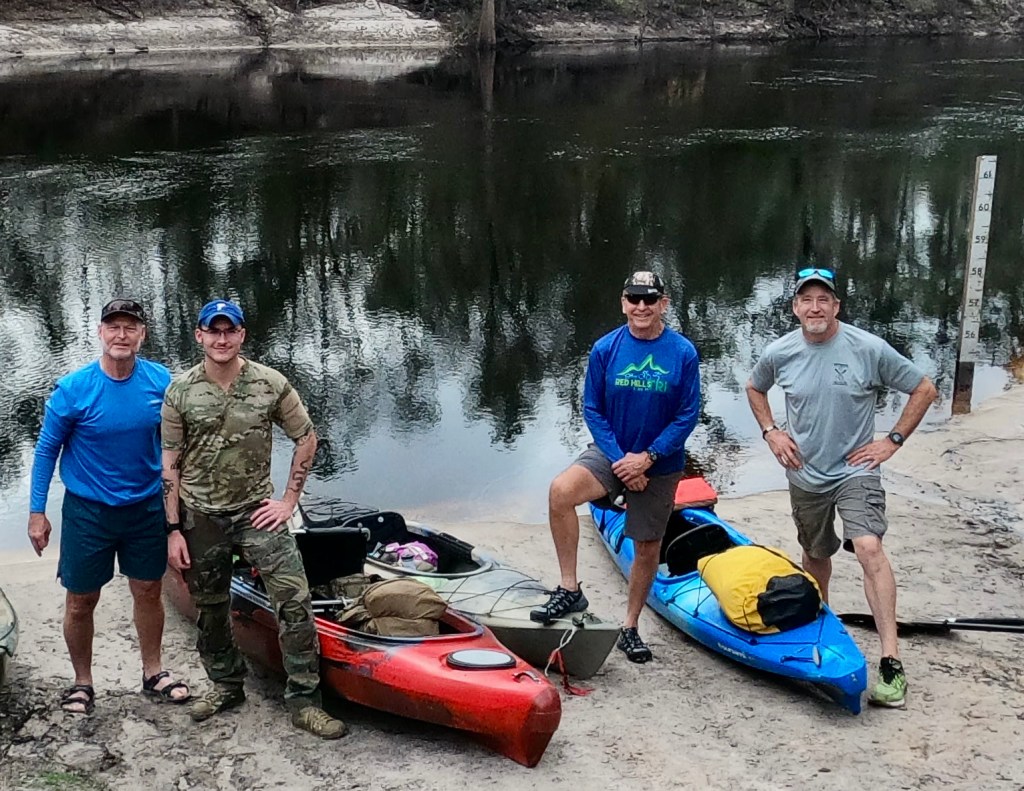
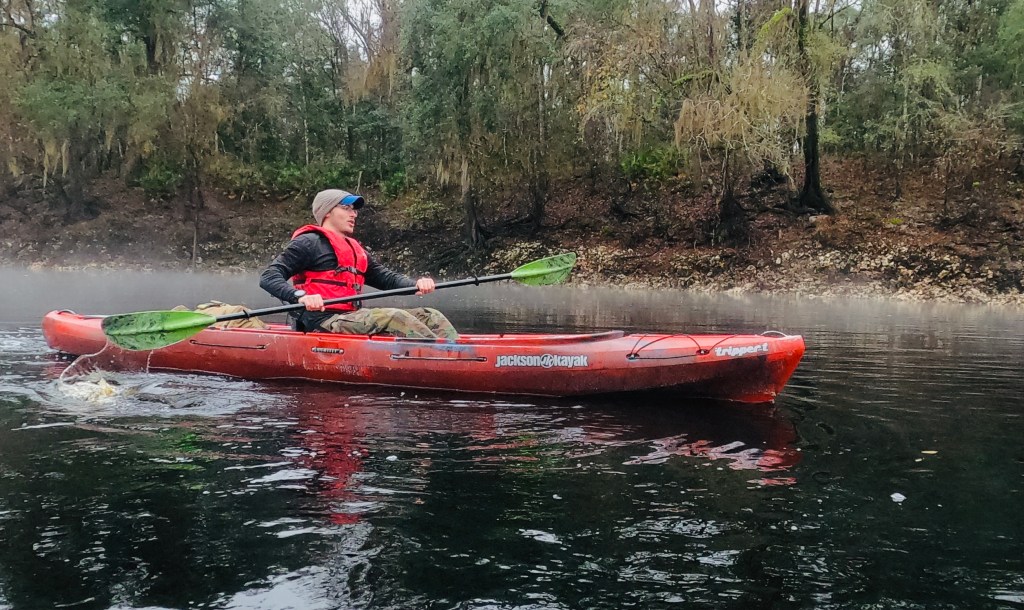
After months of planning to kayak down the Suwanee River the trip finally developed and for three days in December just before Christmas we had an incredible adventure! Rick Ashton, Jay and Jacob Etheridge and I loaded up on Sunday morning before daylight and headed to the river. Upon launching Jake suggested we make an effort to locate a Florida Skunk Ape since the river swamp has been rumored to harbor the beasts. We agreed to keep an eye out and get a photo if at all possible!
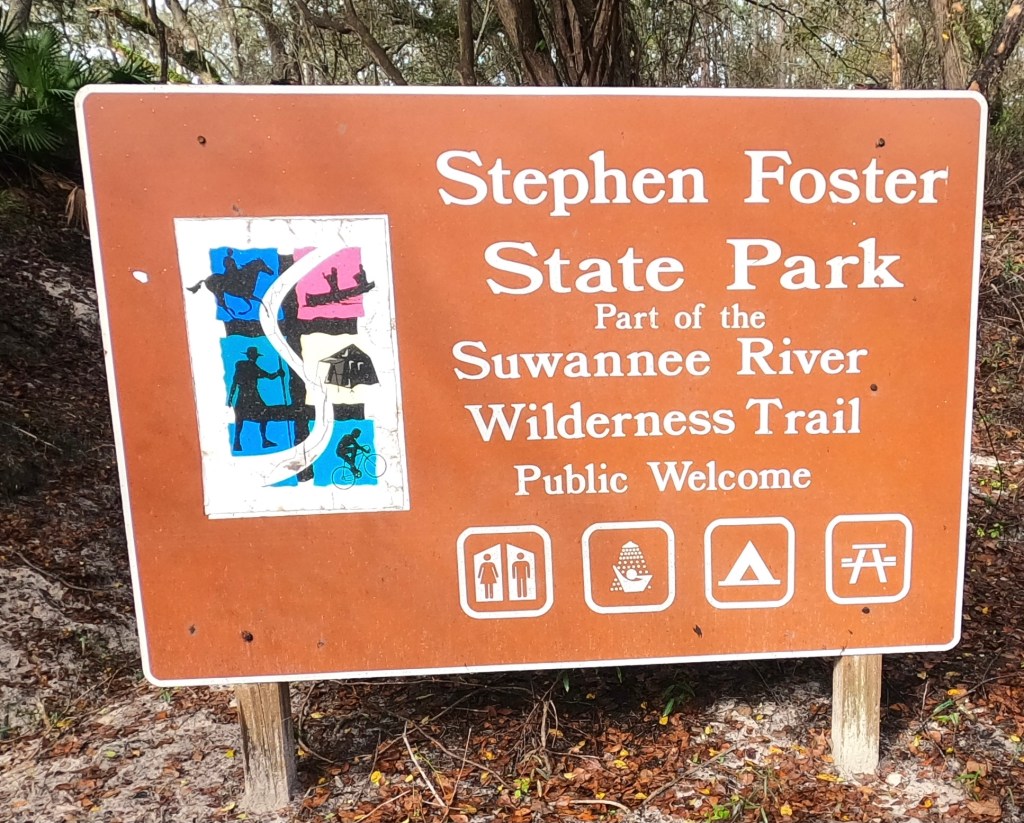
Our trip began at White Springs, Florida. We drove two trucks and four kayaks to White Springs boat landing on the Suwanee River and the paddling commenced.
The journey began at the Stephen Foster State ParkThe canoe/kayak launch at Stephen Foster State ParkAnd it begins…
The time was mid-December and the forecast was cold and rainy, perfect for a river trip! The plan on day 1 was to start mid-morning, launch from the White Springs/Stephen Foster State Park landing and paddle downstream to our first stop which was Woods Ferry River Camp approximately 9 miles. Although I have crossed over the river hundreds of time by car I have never been on or in the river. Words alone cannot describe the beauty of the Suwanee River.
Words cannot describe the beauty of this river.
As we began to paddle the beauty of this river became apparent to us. Surrounded by old growth Live Oaks and Cypress trees growing from and thru beautiful limestone formations which lined a large portion of the river.
Much of the river is lined with beautiful limestone formationsBeautiful limestone lines the river bankMiles of limestoneThe different levels of limestone are different shades apparently depicting different times in history when they were formed. This photo shows the different levels of limestone.
After a short eleven mile paddle we came to our first camp which was the Wood Ferry River Camp. This camp was incredible. We paddled up to the partially submerged tiered dock which allowed us to paddle onto the dock and then step out of the kayaks onto the dock. A kayak/canoe rack was a perfect place to store our boats for the night. The ramp leading from the river up to the camp is long and very well built. The camp provides large wagons and wheelbarrows for campers to haul their gear up the ramp.
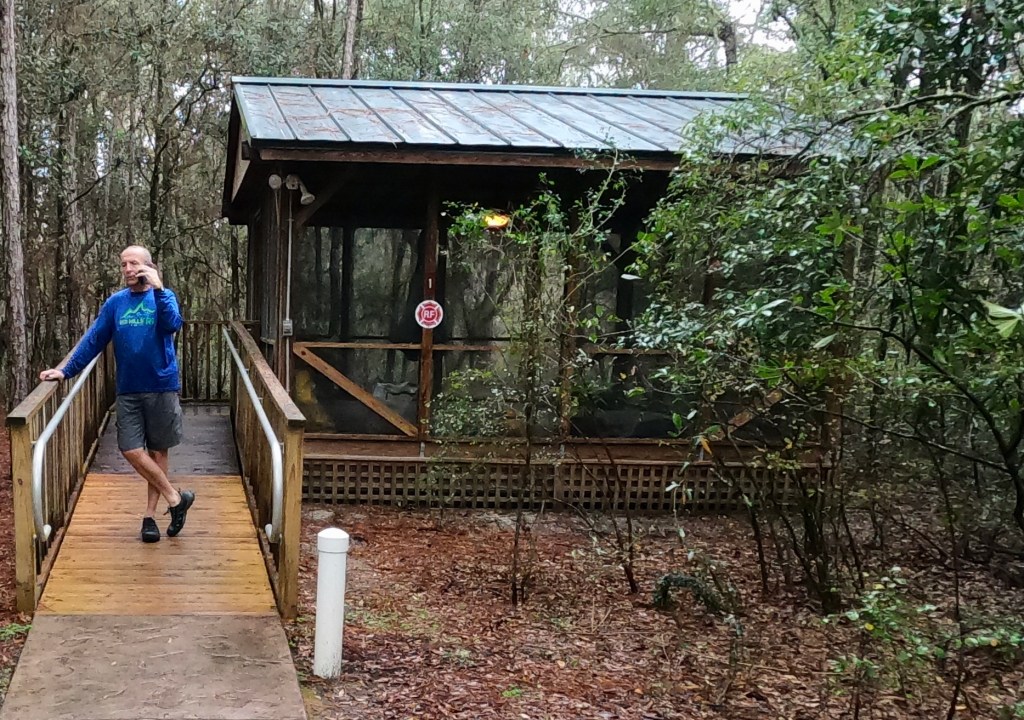
Welcome to Woods Ferry River Camp.The tiered dock allows paddlers to paddle up on the dock and step out of their boat at Woods Ferry. The river camps are well marked.This rack system allows paddlers to store their boats in a safe and out of the way place. The extensive ramp system allows paddlers to walk from the river up to the campground and back. Wagons and wheelbarrows are provided to make hauling supplies easier. Rick stands in front of one of the cabins. He is calling to report what he believes was a skunk ape sighting! This pavillion provided a great place to cook and eat out of the weather.This building housed bathrooms and hot showers which were really nice after a cold day on the river!
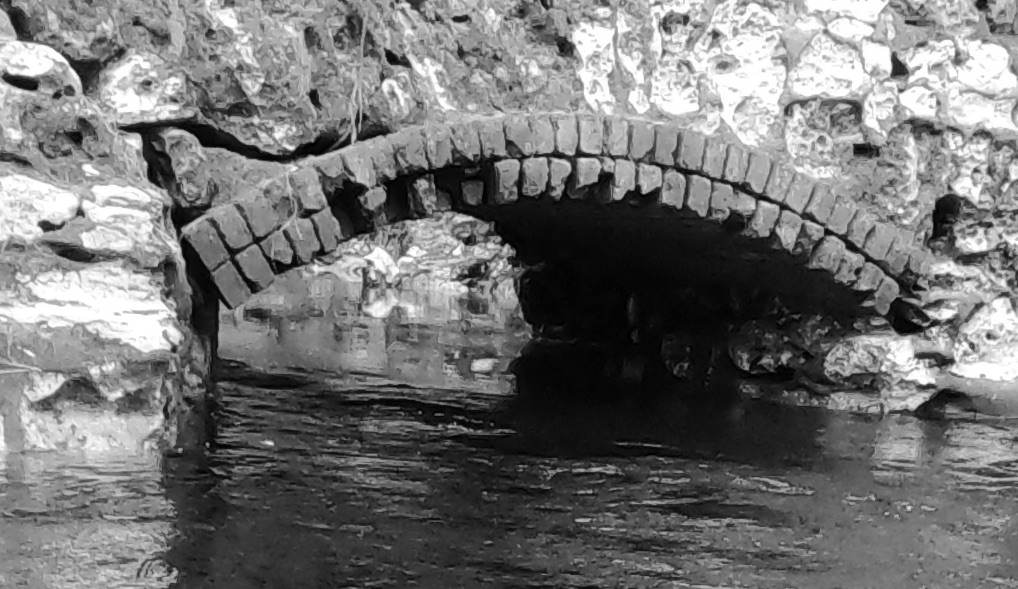
After a good night’s sleep in a Wood Ferry River Camp cabin and a hearty Mountain House Meal (Biscuits & Gravy) we continued our journey south down the river. The launch off the submerged tiered dock was flawless and we were on our way! The morning was cold and overcast but the paddle was great! More limestone riverbanks, Cypress Trees and Live Oaks. We passed by several spring and creek runoffs along the sides of the river. Soon we came across a man made limestone structure which I had seen photos of before. This structure was a wall surrounding Suwanee Springs, a mineral spring that had been a tourist attraction since before the Civil War. In fact it is the oldest tourist attraction in Florida. People traveled to the spring from around the Country in search of medicinal cures. We got out and walked around the spring and park area which was also accessible by car. A sign told the history of the spring. When we got back onto the river we paddled up near the wall and the brick opening which allowed the water to pour out into the river. The flow from the spring was very strong and there was no doubt the “mineral” the people were attracted to was sulfer!
The man made lime rock wall surrounding Suwanee Springs.This brick archway allows the water from the spring to flow into the Suwanee River.
A little further down the river we came across this old abandoned bridge across the river. People were walking on the bridge and it was tagged with graffiti.
Old bridge across the Suwanee River.
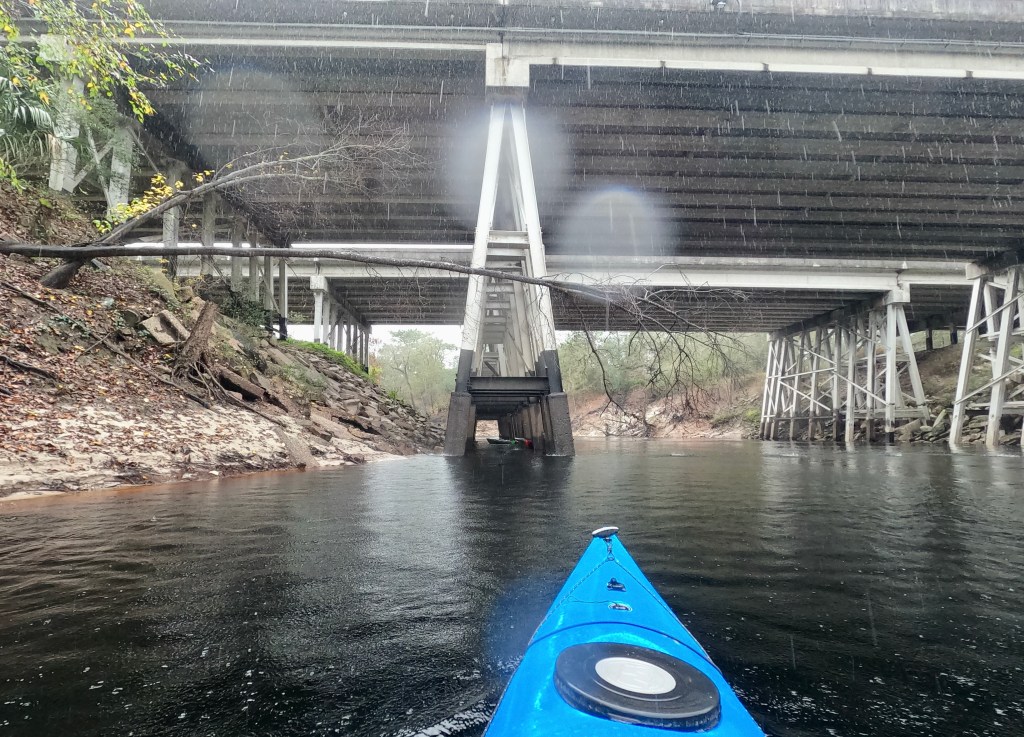
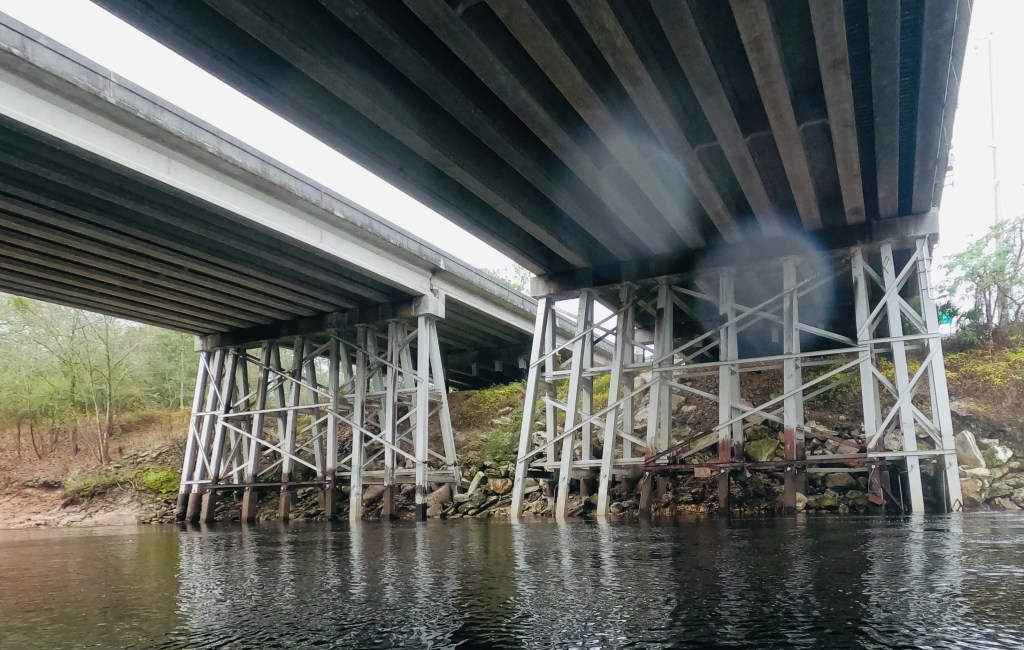
As we continued to paddle down the river the sound of good old Interstate 75 reverberated down the river. We heard it long before we saw it and the pre-Christmas traffic was heavy! Rain had begun to fall as we approached and we were very impressed with the huge bridge structure visible from under the bridges.
Rain is falling as we approach the bridges of Interstate 75 over the Suwanee River.The interstate 75 bridges over the Suwanee River are huge! Jake, Rick and Jay take shelter from the rain under the bridge. Logs seen in the background were deposited there by high water. The bridge structures were very impressive and the traffic noise was deafening.
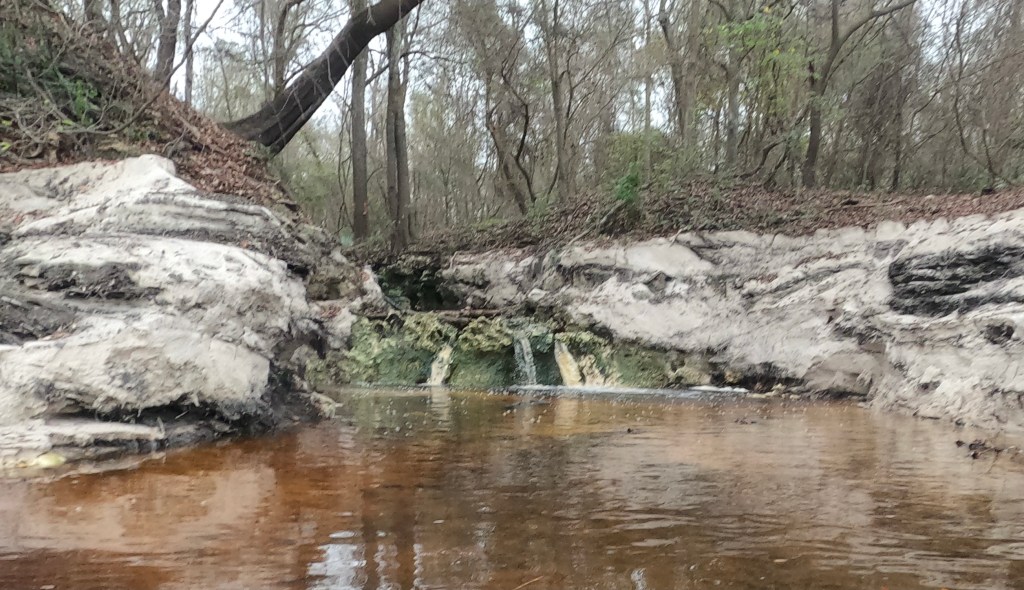
Throughout the three day paddle trip we were treated to numerous springs and creeks that flowed into the Suwanee River. We were told that there are many more springs below the Suwanee River State Park.
This beautiful creek empties into the Suwanee River.This small waterfall empties into the Suwanee. This clear running spring fed creek creates a sandbar where it joins the river.
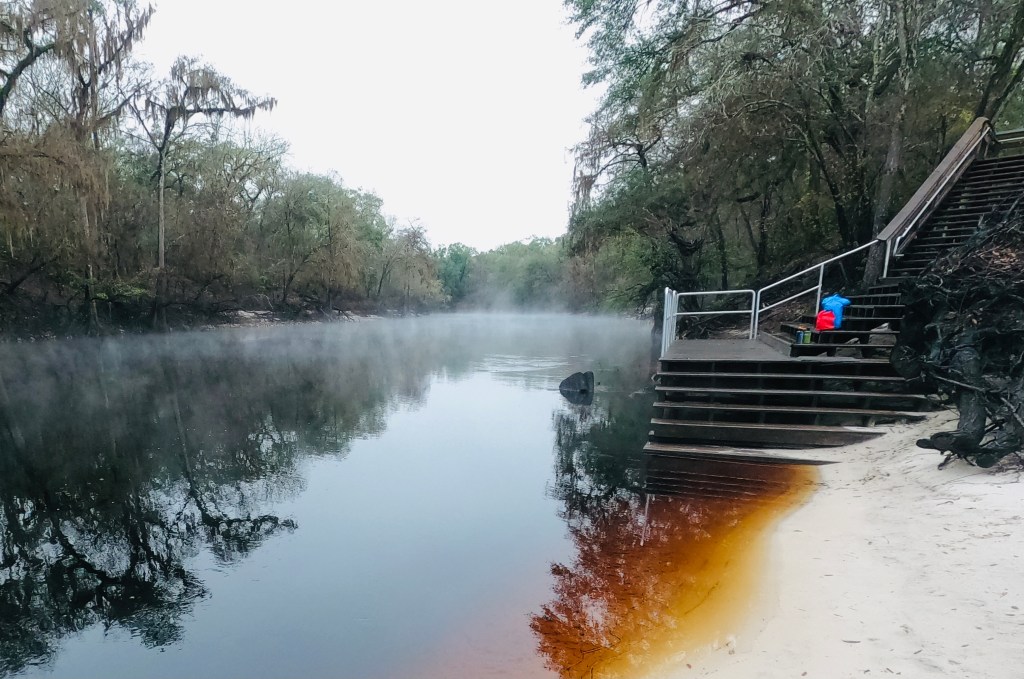
Day two ended as we paddled into the Holton Creek River Camp. Again we were very impressed with the camp accomodations. Although not as elaborate as the Wood Ferry ramp Holton Creek was not as high off the river however the ramp and campground were very nice. A camp host, restrooms and showers, cabins and a cooking pavillion were available.
The beach and stairs leading up to the Holton Creek River Camp. The screened-in cabins at Holton Creek were very nice!
After arriving at Holton Creek River Camp we showered, had dinner and monitored the weather forecast. Rain began around 1am and was scheduled to last until early afternoon. Temperatures were hovering around 50 degrees. We slept dry inside of the cabins however if we had to wait until 1pm to leave and finish the last 13.4 miles we would be cutting it close to get to the Suwanee River State Park before dark. Leaving in the rain would subject paddlers to the chance of hypothermia. Luckily the rain began to dissipate around 10am which was just the break we were looking for we seized the opportunity, loaded the boats and took off.
Jacob leaves Holton Creek on the last day of the trip. Rick and Jay are smelling the barn as they head for home on the last day.
Although it was cold and windy the rain held off for the most part until we got to the landing at Suwanee River State Park. Shortly after we arrived the rain became heavier.
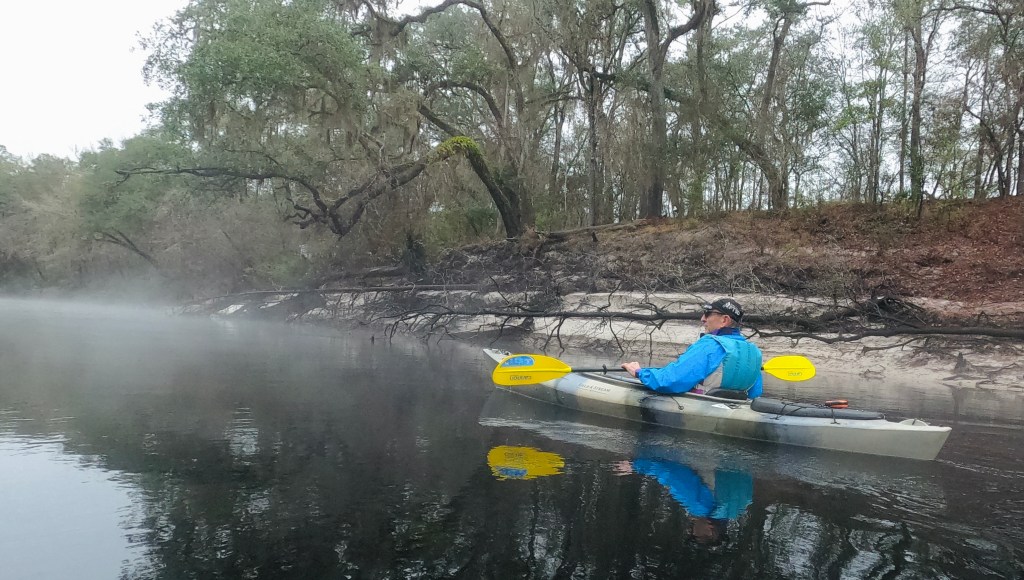
The water temperature was warmer than the air which created this fog hanging over the water. Warm water temperatures created this fog. Jay paddles thru the fog on the last day of the trip.
Many old growth trees lined the river banks to include Cypress, Live Oak and others. Many trees have high water marks staining their bark from floods past. Many old rope swings could be seen hanging from from trees which reached out over the river. The trees were a very interesting part of the river not to mention the tannins that their leaves create which makes the river a dark tea color.
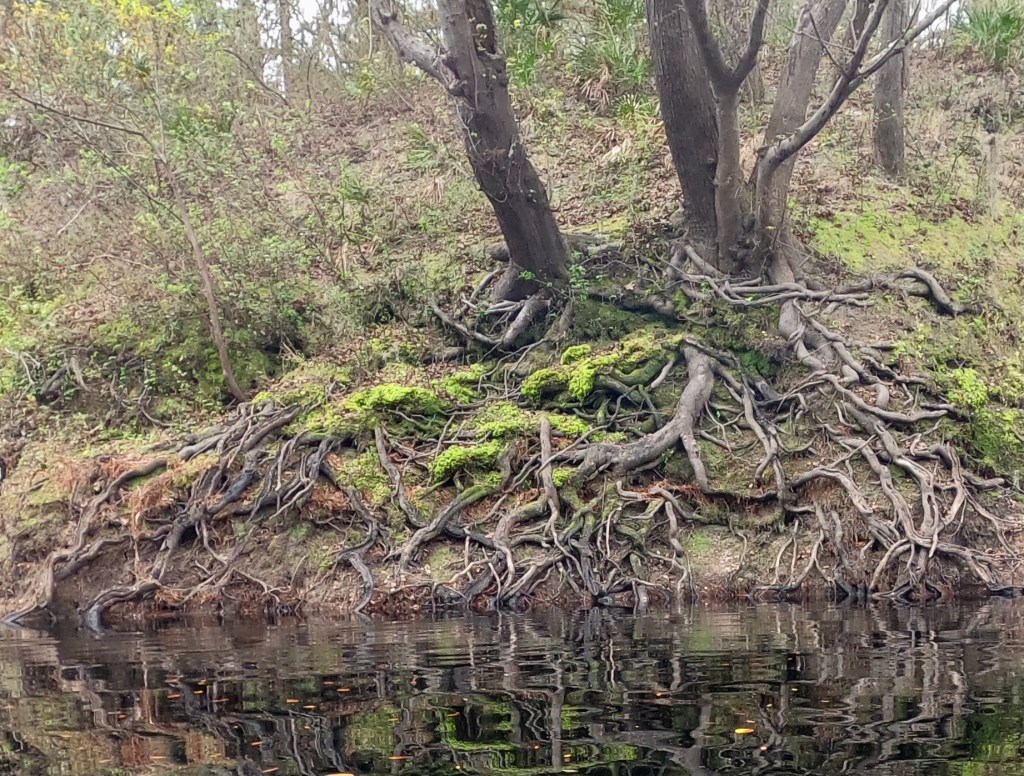
Crazy root systems reach down to the river water. Tree roots search for the waters edge. Crazy roots!
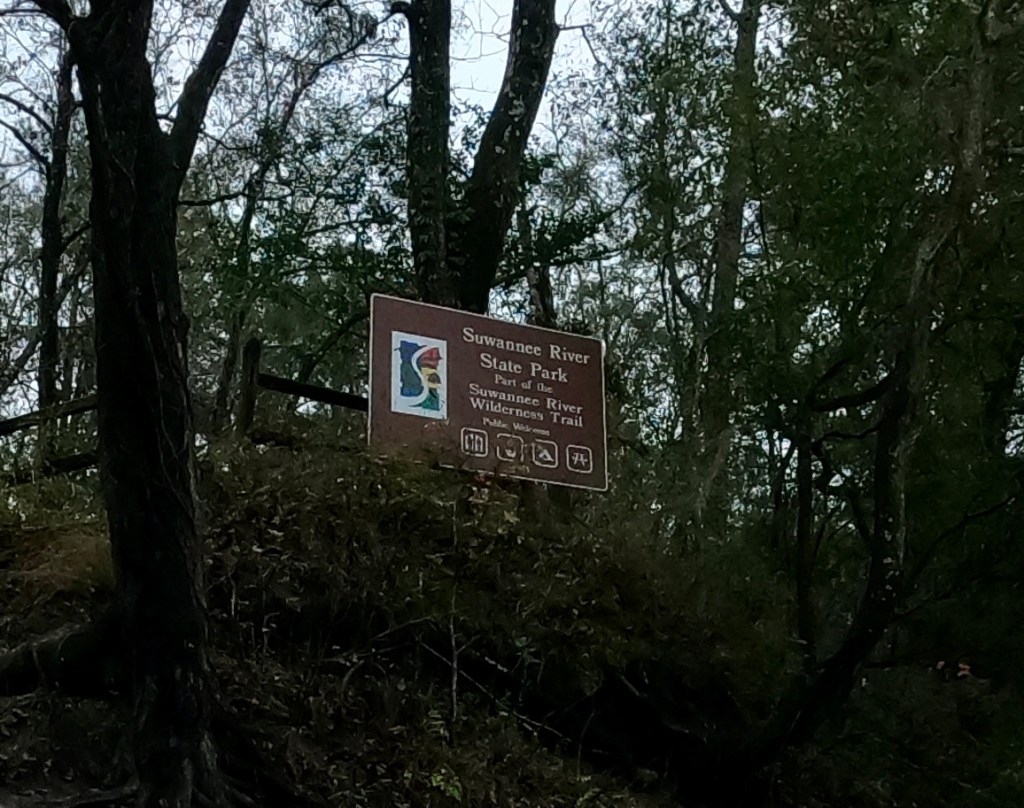
Shortly after 2 o’clock in the afternoon we arrived at the Suwanee River State Park luckily dodging the rain! We loaded the trucks and headed home.
The take out spot which ended our three day trip.
This was an incredible trip which had been in the works for some time. We were fortunate to get it done just before Christmas. Although no Swamp Apes were spotted we will try again, next time starting at Fargo and paddling to White Springs.
Maybe it was the weather, perhaps the Christmas season but for some reason we saw very few people on the river, in fact in 3 days we only saw 1 boat. Few birds were seen to include only 1 Blue Heron and 1 Wild Turkey flying over the river. No animals were seen other than few squirrels. This was strange as the area seems remote and heavily wooded and should be teeming with wildlife.
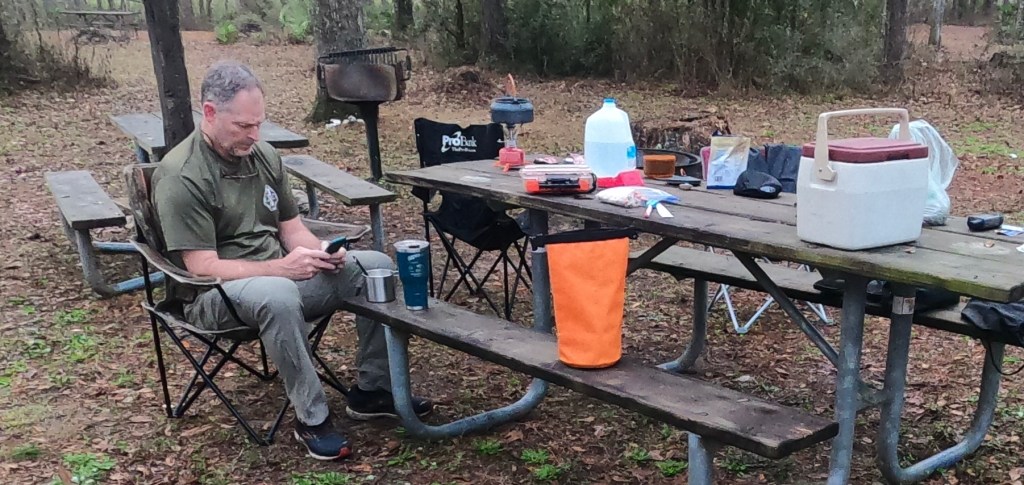
This trip gave me a chance to try a new cooking system which consisted of an alcohol stove (Spirit Burner) and a Firebox which I mistakenly left at home and had to make do on the camp grills which worked in a pinch. The Spirit Burner worked great and the alcohol created great heat but it burned more fuel that I had anticipated and I burned 12 ounces of HEET in the yellow bottle cooking 4 meals and coffee. The meals consisted of Mountain House breakfasts and dinners (Breakfast Skillet, Biscuits and Gravy, Beef Stew and Pad Thai). I also make Raman Noodles at night before the main course. Lunch consisted of dried mangos, beef jerky and trail mix. I brought several oranges that were eaten by the group as a snack and to prevent scurvey. No vitamin C deficiencies were reported on this trip..
All photos were taken with a GoPro Hero 8 Black camera and edited using a standard IPhoto editing program in a Apple MacBook Pro.
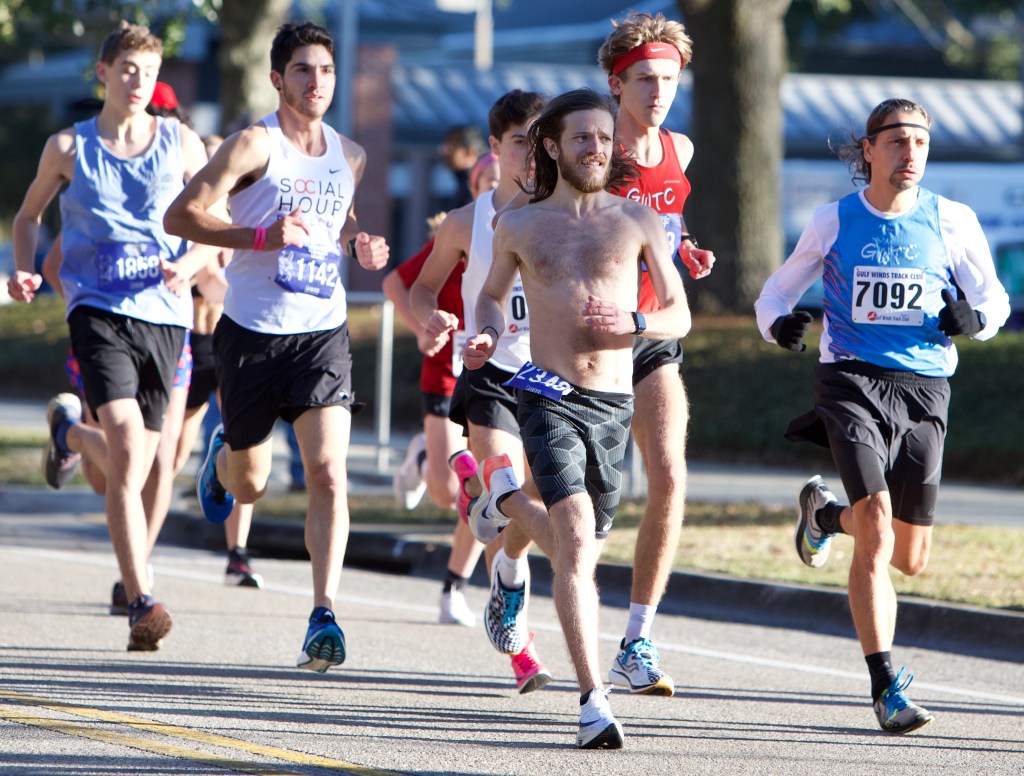
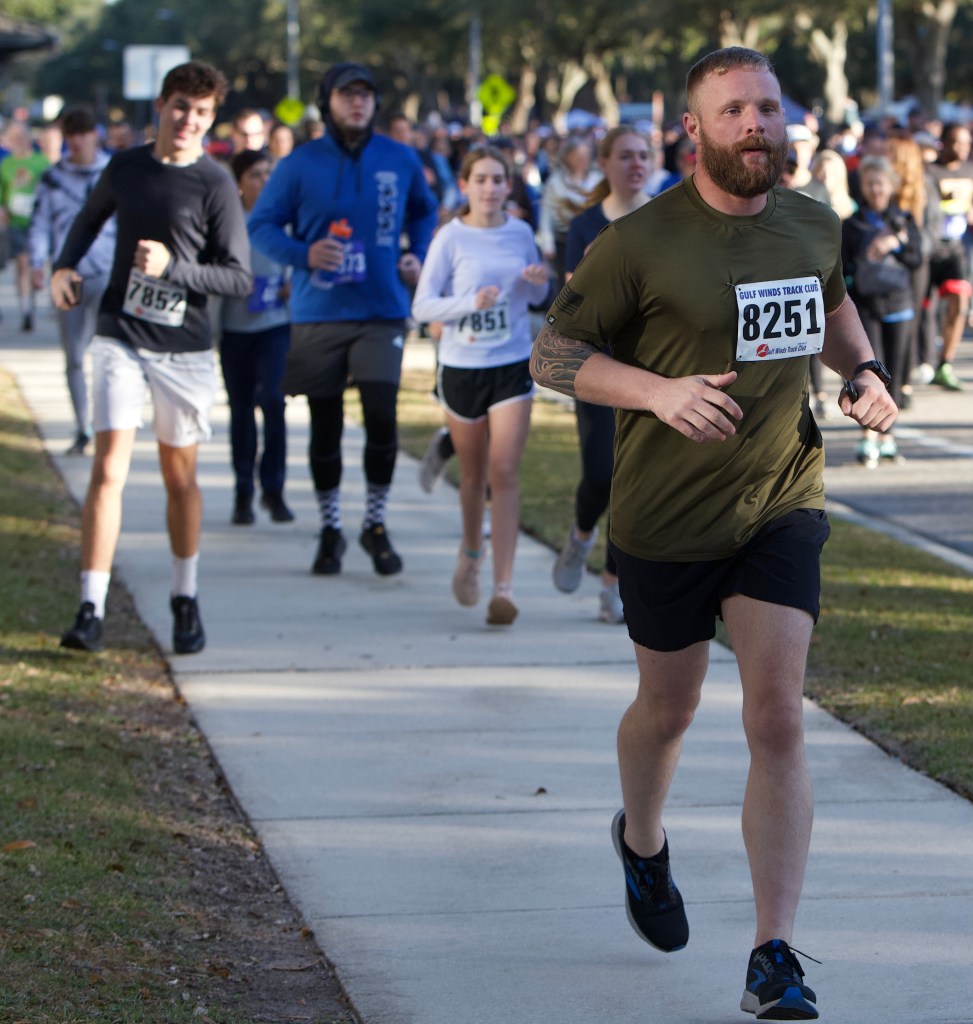
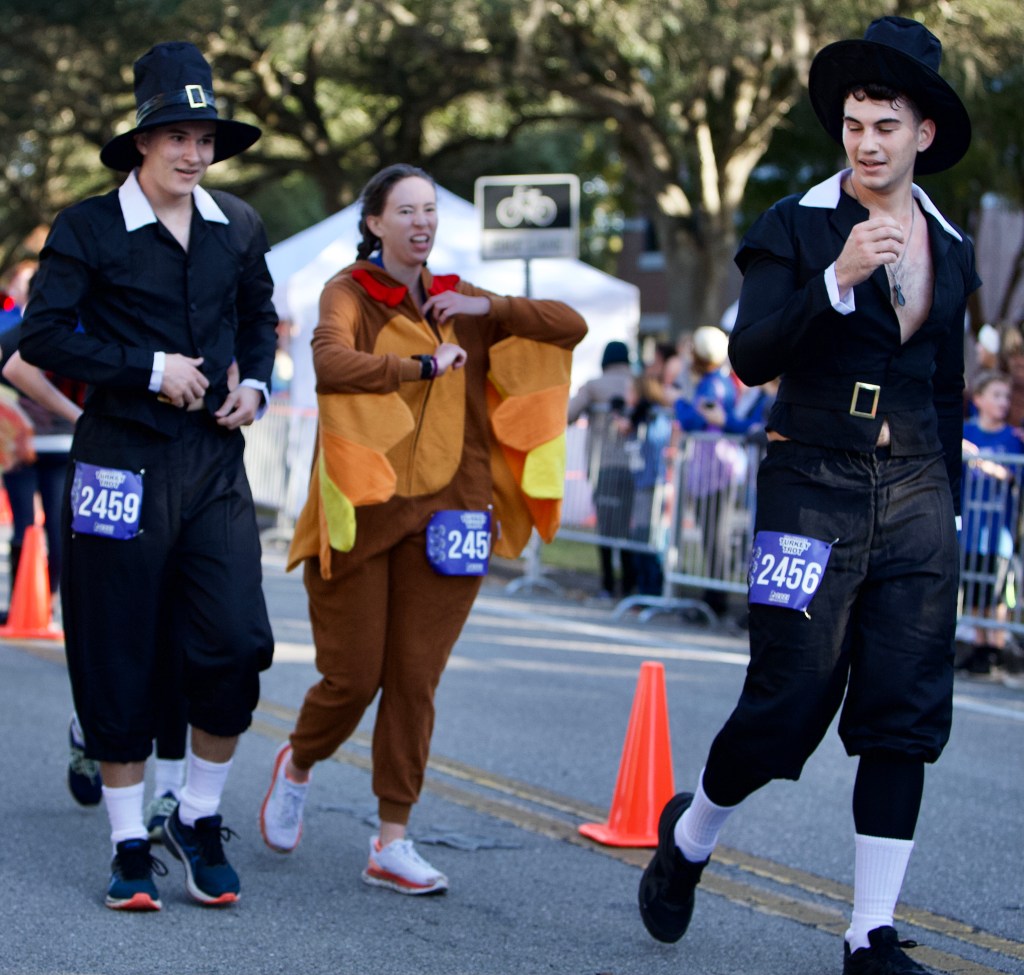
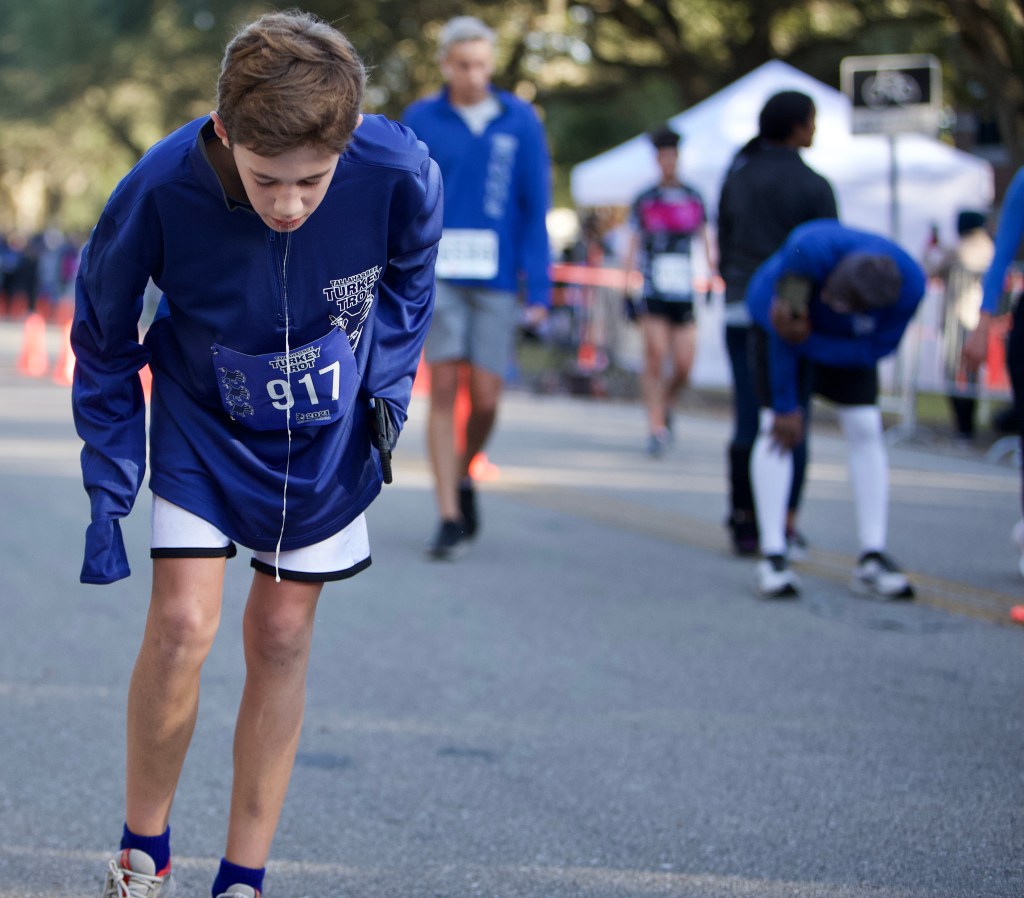
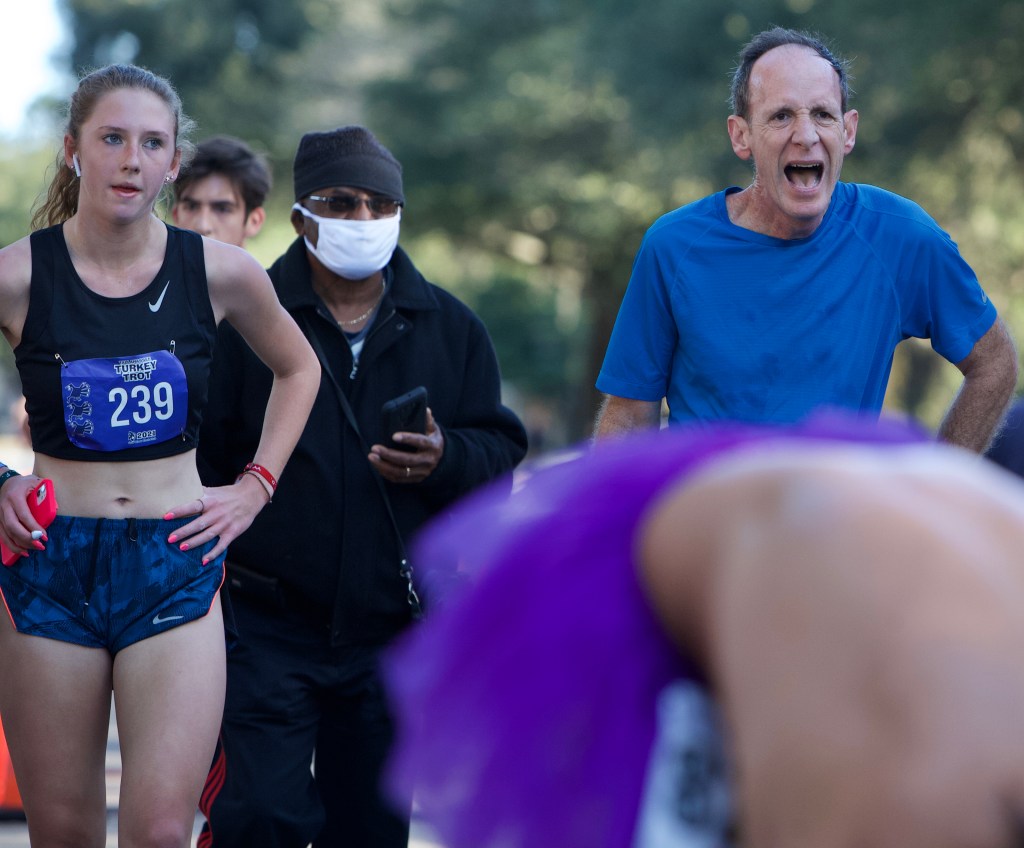
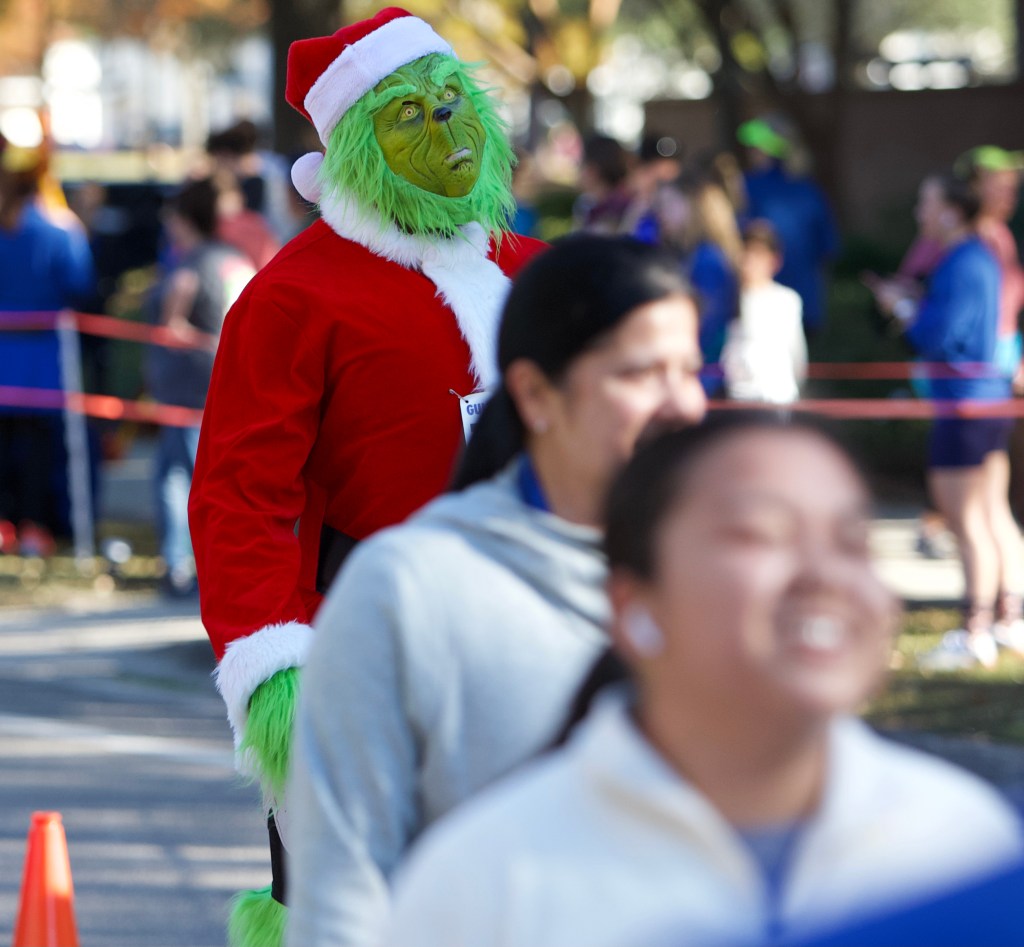
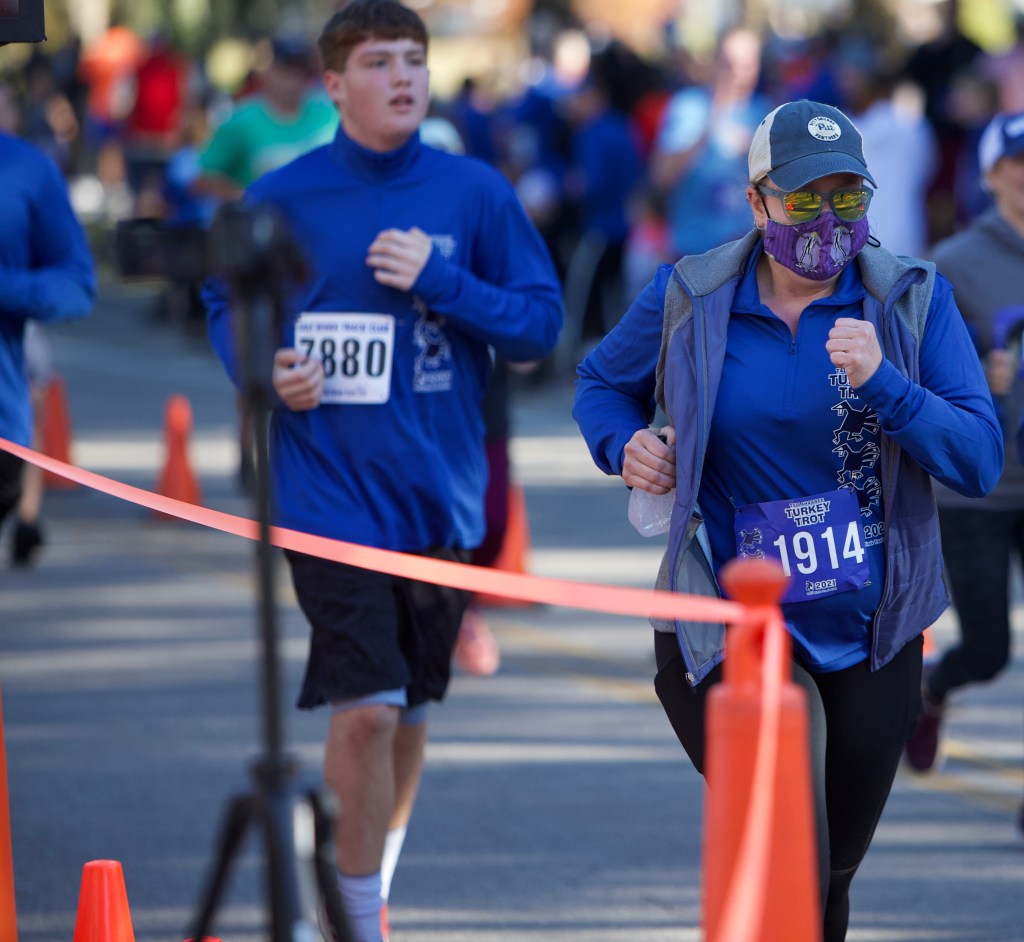
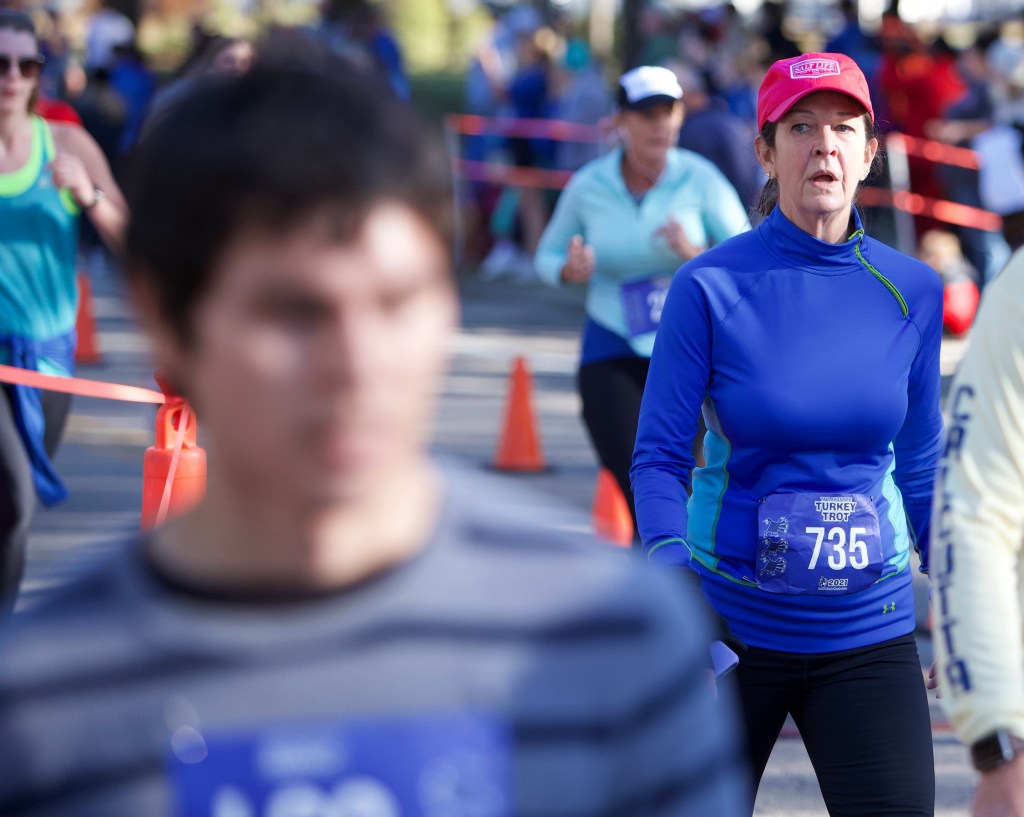
Thankfully the Tallahassee Turkey Trot has returned after a two year hiatus due to Covid-19! The weather was perfect for a Thanksgiving foot race thru the Southwood neighborhood. A broken toe and torn hip muscle during a pre-workout stretching routine kept me off the course but I decided to take the mighty Canon and shoot some photos during the races! Approximately 4000 people ran/walked the races today! What follows are some of the sights from today’s events! Thanks for visiting this site and please take a few moments to reflect of this past year and to remind yourself of all the blessings that have been bestowed upon us. So much to be Thankful for!
And they’re off! The leaders set the pace.Runners take to the sidewalk to avoid the crowd! Starting ’em young! These Pilgrims arrived from Plymouth Rock! Seeking Divine intervention! Leaving it all on the course! A bright future ahead! Everyone has a good time at the ‘trot! Catching his breath! Gassed! Done! Waiting on his favorite runner! Crossing the line! Gulf Winds Track Club does an awesome job! Tyler and Bethany Sununu cross the line with their girls! Jeff Mahoney takes it to ‘da house!Gwen Atkins finishes strong! Sorry Grinch but you won’t steal the Turkey Trot this year! Several runners wore masks during the run! Finishing strong! Local cycling elites participated in the Turkey Trot!BR finishes the 5k!Trevor Sununu finishes the 15k in record time! Trevor wins the day!
Very thankful to have had the opportunity to have taken photos at this year’s Turkey Trot, although I would have much rather been running it! Great to see so many friends who I have the upmost respect and admiration for racing today. Hope you enjoyed the blog. See you on the trail!
Heading towards the Apalachicola River out of Owl Creek.
After having to abort the last day of our Kayak Journey in 2020 due to storms which would not be kind we finally put the last day of the trip together in February 2021 and finished the trip. In 2020 we had started a four day Kayak/camping trip on the Apalachicola River from Chattahoochee, Fl. to Apalachicola, Florida. The final night of the trip put us at Hickory Landing at Owl Creek. We set up camp that night and had planned on getting an early start the next day. Everything was fine until a routine weather app check showed heavy storms approaching. Having paddled this section of the river before I knew that heavy winds would push our kayaks into the sawgrass and trap us before we could get to the landing at 10 mile hole in Apalachicola. As much as we hated to we punted the trip and called a ride to take us home.
We finally rescheduled the trip for February 2021 and drove to Owl Creek. The three paddlers were Rick Ashton, Jay Etheridge and myself. Once we set up camp at Hickory Landing we drove two trucks to Apalachicola and had dinner. We left one truck in Apalachicola and drove one truck back to the campsite. This allowed us to have a vehicle at the end of the trip and to drive the three of us back to the starting point.
Boats are unloaded and camp is set at Hickory Landing for the launch the next morning. Jay enjoys a hot breakfast prior to launch.
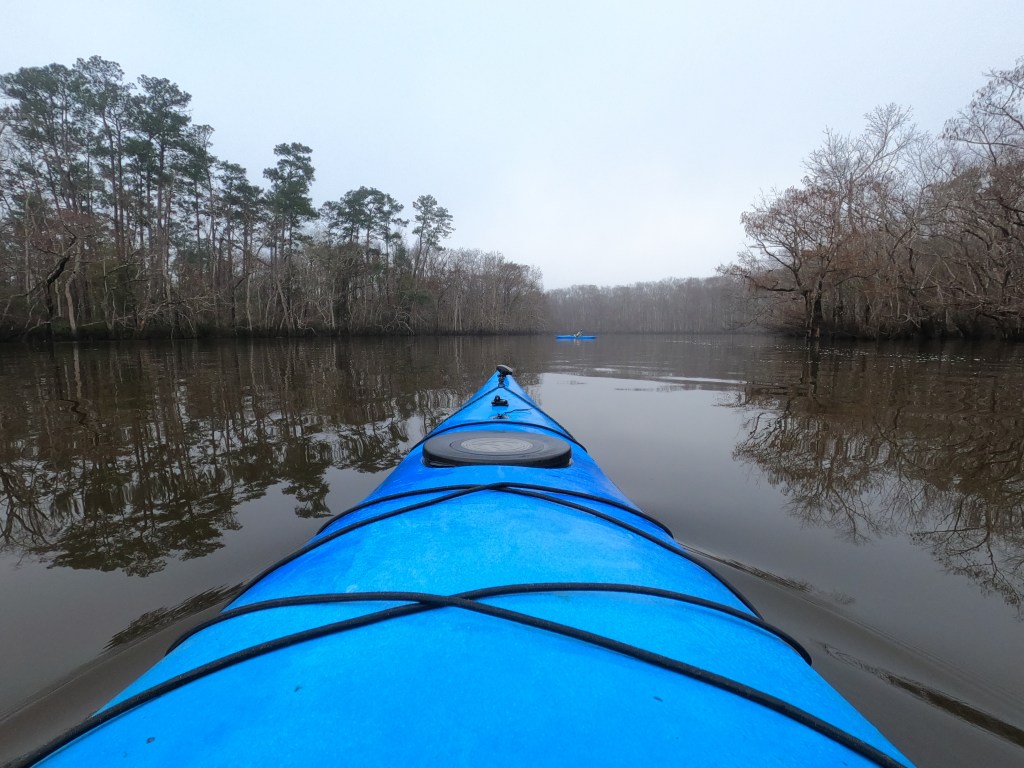
After a good night’s sleep we awakened early and had breakfast. We broke camp and readied our kayaks. We launched from the landing and began heading towards the Apalachicola River on Owl Creek. Owl Creek is a beautiful tributary which empties into the River about two miles downstream.
Paddling down Owl Creek heading towards the Apalachicola River.
This trip being in January was cool but thankfully it wasn’t cold. Being in the river swamp it was a wet with dew in the early morning however the sun soon burned the moisture away and it turned out to be a nice day although overcast.
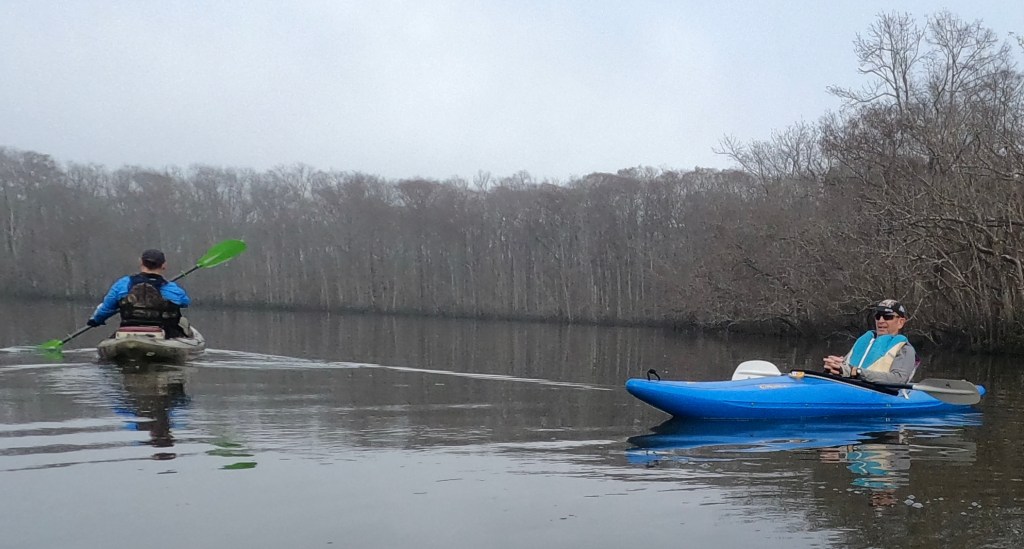
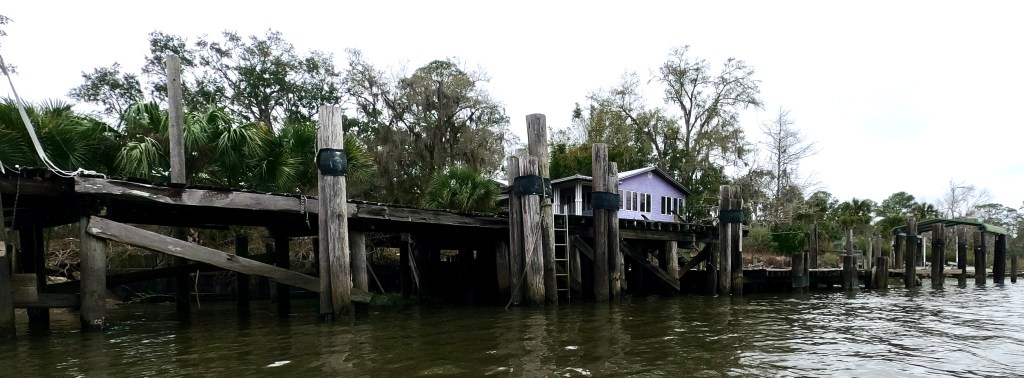
Rick waits while Jay paddles on. Several abandoned docks line the lower Apalachicola River a reminder of barge traffic long ago. Jay enjoys the paddle to Apalachicola. More abandoned docks.
The part of the river between Owl Creek and Apalachicola goes through Tates Hell Forest and passes a historic area known as Fort Gadsden. During the Civil War hundreds of slaves were hiding at Fort Gadsden when a Union cannon was fired at the Fort. The cannonball hit the powder room at the Fort causing a massive explosion killing hundreds of people.
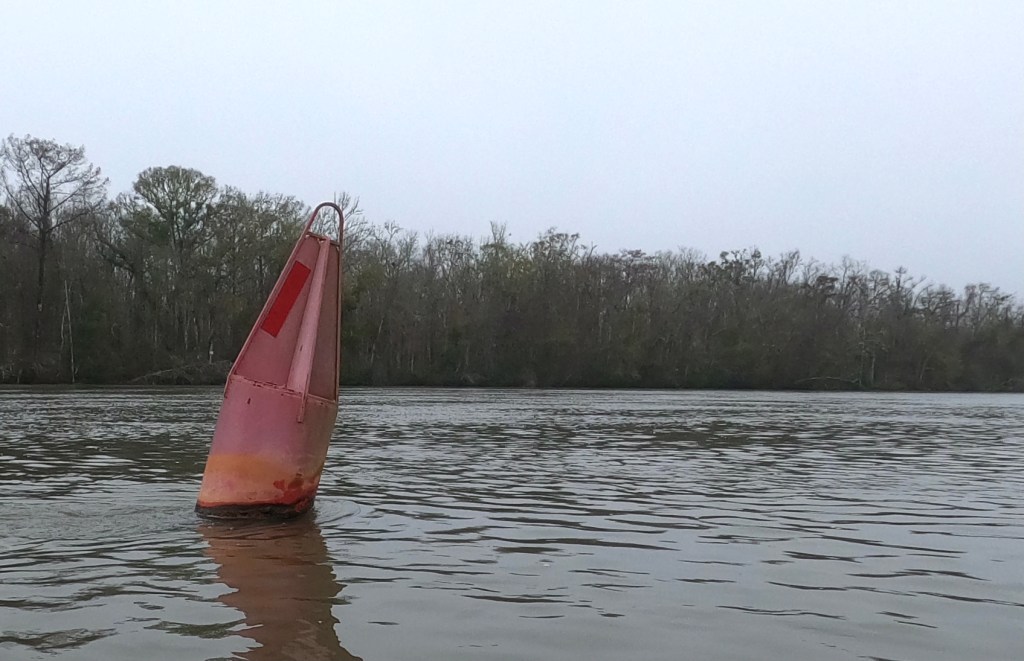
As the river nears Apalachicola the river widens. Buoys still mark the channel in the lower Apalachicola River.
Although the Apalachicola River is a wide and fast flowing river there are hundreds of house boats tied up along side it’s banks. Homemade, manufactured, houseboats of all shapes and sizes can be seen here. We did encounter a floating dog kennel complete with a number of deer hounds which could be heard for miles up and down the river as we approached.
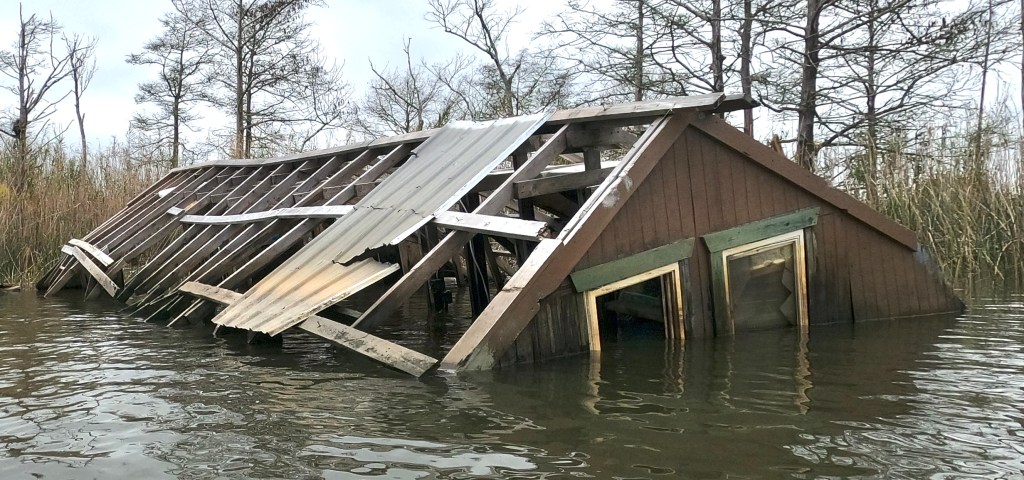
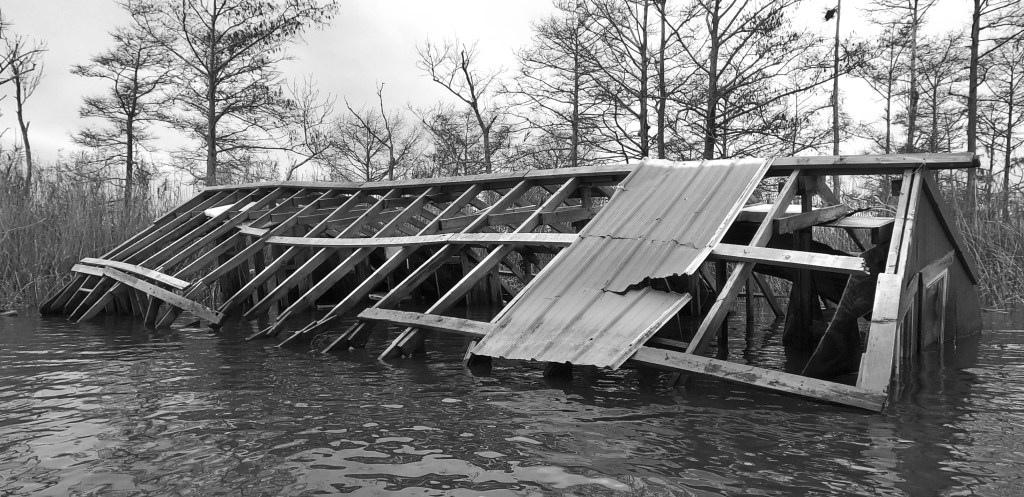
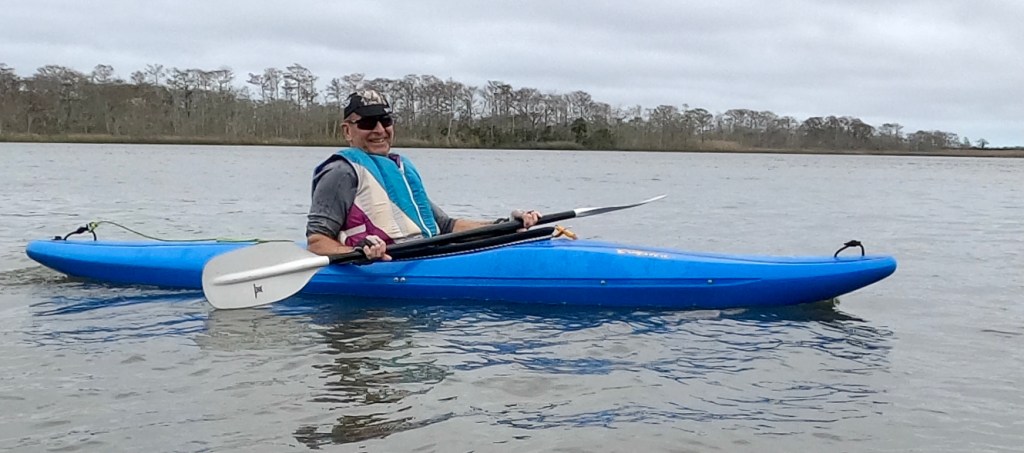
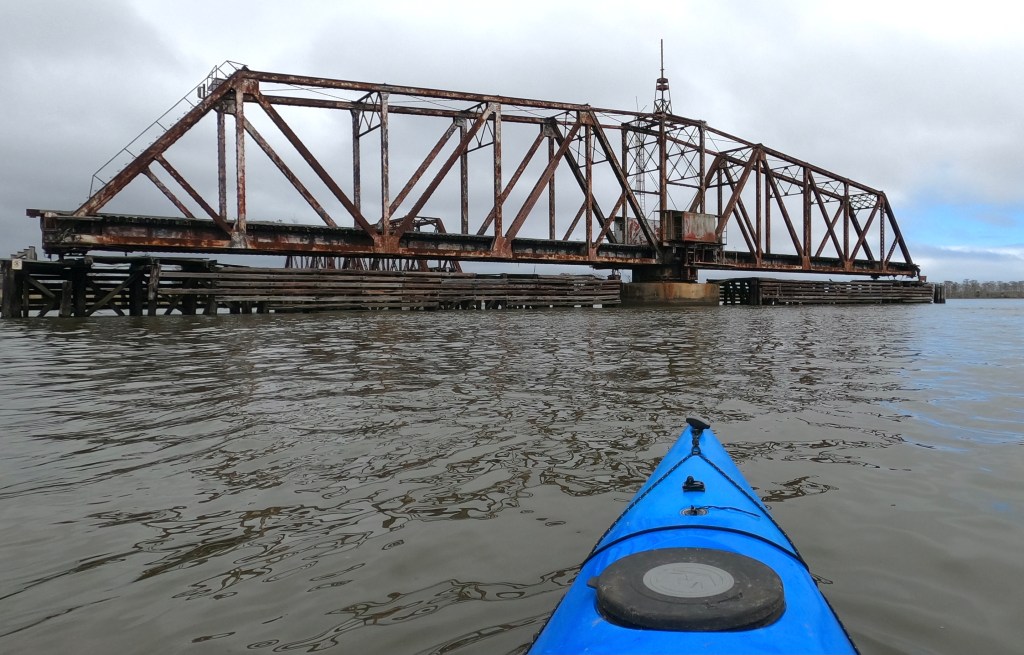
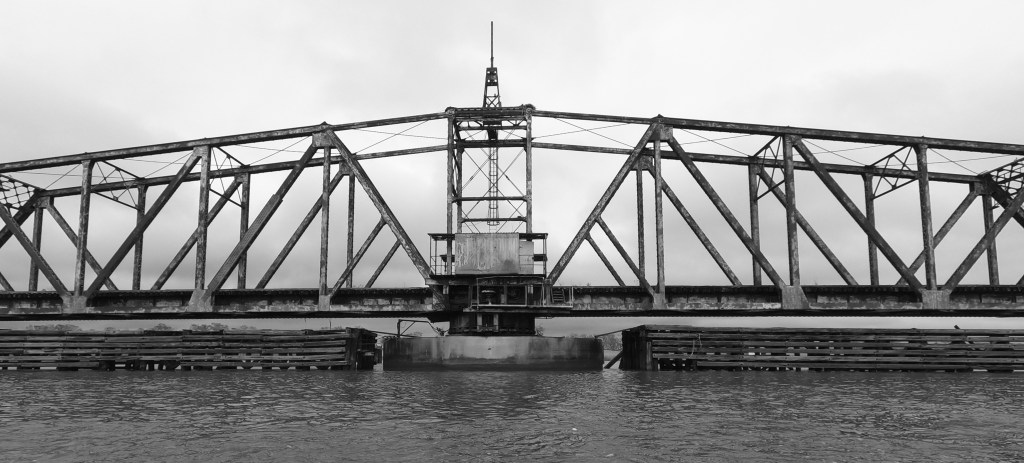
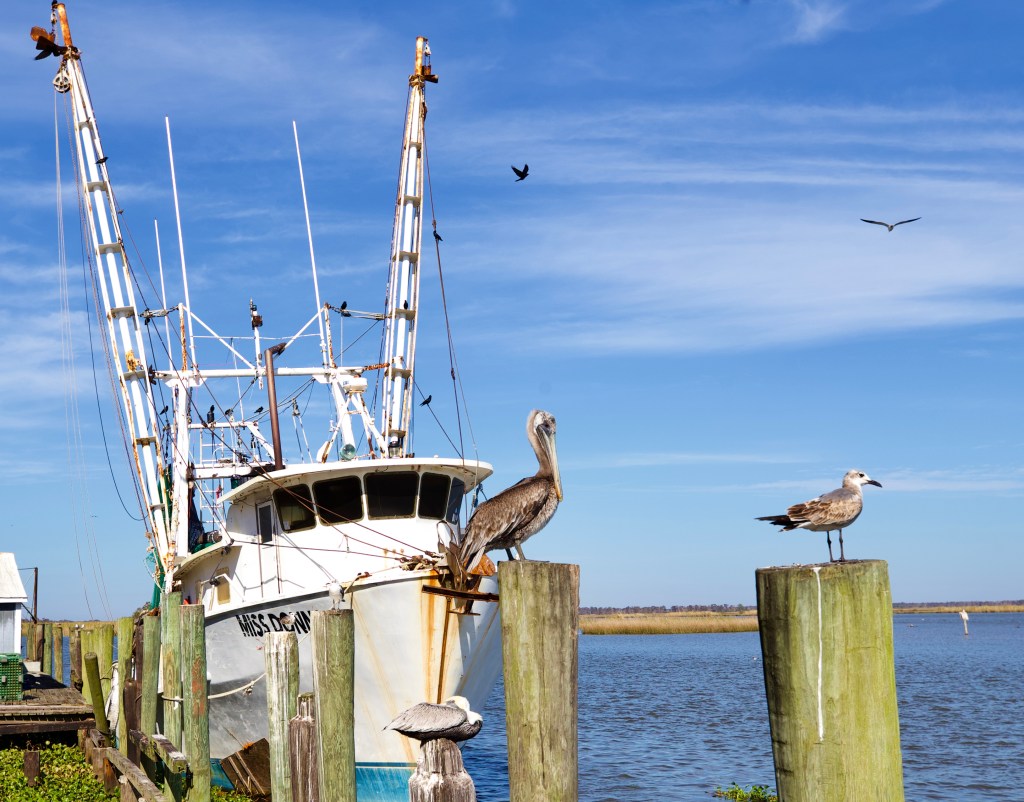
A houseboat sits submerged in the river after Hurricane Michael. What once was someone’s prized houseboat now sits submerged in the river. Rick is a strong paddler! This massive structure is a railroad swing bridge which is no longer operable. This swing bridge facilitated the Apalachicola Northern Railroad. Massive! Shrimp Boats indicated we had finally arrived in Apalachicola! Our welcoming committee sits atop the pilings!
Fortunately the wind was mostly calm and the tides were in our favor so the last few miles of our journey were enjoyable. Approaching Apalachicola we were in big water with boat traffic and tidal influence. An incoming wind or tide could make paddling difficult if not impossible, hence we punted our last trip and made up for it with this one day paddle trip.
We paddled past Scipio Creek and the docks in Apalachicola to the boat landing at 10 Mile Hole (under the Hwy 98 Bridge). Sheriff AJ Smith gave me a ride to my truck and I returned and we loaded the boats and gear. We grabbed a bite to eat and returned (via truck) to Hickory Landing where we split up. It was the ending to a great day.
This was an incredible trip as the paddle trips I’ve made down the Apalachicola River always are. The Apalachicola River is a clean, strong, fast flowing river that sports a lot of history. Currently there is an ongoing court battle for water rights between Georgia and Florida which will probably be ongoing for many years to come. Regardless I have always enjoyed paddling and camping beside the big river. It is a special place to me and I hope to soon return for another kayaking adventure. Hopefully you will too!
Having ridden past the old cemetery on the west side of Apalachicola for years, I finally decided to take a day after a deck build the day before to visit the cemetery and take some photos. This old cemetery always intrigued me however after visiting and walking thru it I am probably more intrigued now than before. To say this cemetery contains a lot of history would be an understatement! The cemetery is the oldest burying ground in Apalachicola and is the final resting place for many individuals who were responsible for the history and development of the area. There are approximately 560 marked graves in the cemetery and many more graves that are unmarked. A variety of tombstones decorate the cemetery, from simple vertical slabs from the 1830’s to elaborate marble monuments. A few graves are marked with simple wooden crosses or a blanket of shells with no name. Beginning in 1912 the local chapter of the United Daughters of the Confederacy marked the graves of all civil war veterans in the cemetery. There are at least 79 Confederate Veterans and 7 Union Veterans buried here.
The grave of Lt. Reuben L Harrison in the Chestnut Street Cemetery. There are 79 Confederate and 7 Union Veterans buried in the cemetery.
Upon entering the cemetery I located a white box on a post which contained information brochures regarding historical facts pertaining to those buried here. This pamphlet was actually a walking tour map/guide with information about the graves and the interesting lives of those entombed in them. While visiting the cemetery I encountered two other visitors there. One fellow from Perry, Florida was much like myself and always wanted to visit the cemetery. Later a woman was walking through and encouraged me to attend a bi-annual Ghost Tour through the cemetery sponsored by the Apalachicola Historical Society.
The Graves of Adolph and Mary Menke
One thing I noticed while visiting the cemetery is that most of the folks who are buried there did not live long compared to today. For some reason it seems that a lot of them didn’t make it past their forties. Most of the graves here are well in excess of 100 years old, in fact most seemed to have died prior to the 20th century.
Old Live Oak Trees in the cemetery have weathered many storms. George Asher died in 1884, his ornate headstone depicts a finger pointing to the heavens.
One thing that is very impressive is the artistic design of many of the headstones. Many display very ornate and artistic designs that were no doubt expensive to produce and ship to this southern gulf side cemetery which is a testament of the love of surviving family members towards those buried here.
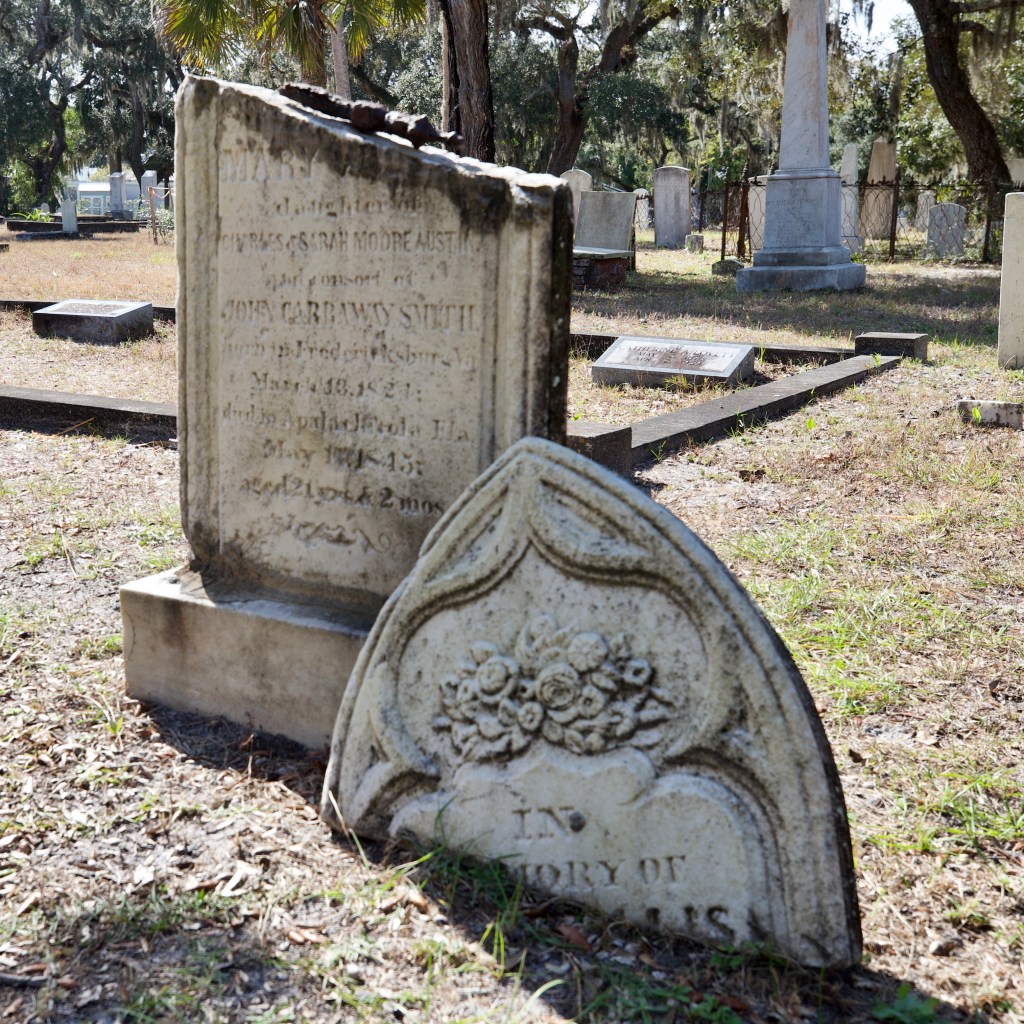
Weathered shoes with a message. These shoes have obviously been in the cemetery for a long time and sport a warning to anyone who may think to remove them! Time has taken it’s toll on this slab that for some unknown reason has lifted off the ground. Nothing was visible underneath except leaves and soil. William Thigpen only made it to 24 years and died in 1851, 170 years ago. His weathered headstone sports a Masonic symbol at the top. Mary Allen’s loving family provided her with this beautiful headstone which was no doubt very expensive in 1905. Her epitaph reads “gone but not forgotten”. Robert Gilpin’s headstone was very unique. He died at 36 years of age in 1844, 177 years ago. John and Catherine Cook emigrated from Germany prior to the Civil War. John Cook came to Apalachicola and became a successful businessman. He operated a shipping business and a store in town. Many graves in the cemetery are unmarked, a few like this one are fast becoming unmarked. Many family plots are surrounded by old metal fences, this one is very ornate however time and weather has taken it’s toll.
Many people buried here made their living on or around the Gulf which is no great surprise. Charles Marks was a seaman and ship’s captain his entire life. Born in Connecticut he enlisted in the Confederate Army. His house was burned by the Union Navy during the war and he was accused of murder for the killing of two Union sympathizers.
Charles Dobson was a tugboat captain during the lumber boom. He built a grand house in Apalachicola for his girlfriend Minne Barfield who ran a bordello out of the house. After her death the property was passed to the Catholic Church and housed the nuns who operated the Holy Family School next door.
William Henry Austin is interred here. He worked for the Untied States Coastal Survey on the schooner Silliman performing a hydrographic survey of St. George Sound. After Church one Sunday morning six crew members including Austin tried to return to the schooner in a small sailboat. A sudden squall capsized the vessel drowning all six men.
Time has not been kind to many of the headstones in the cemetery. Someone has done a good job repairing and keeping them together. Time and vandals have taken their toll.
Many people who are interred here were entrepreneurs who came to Apalachicola to seek their fortune, many immigrated from other countries looking for a better life.
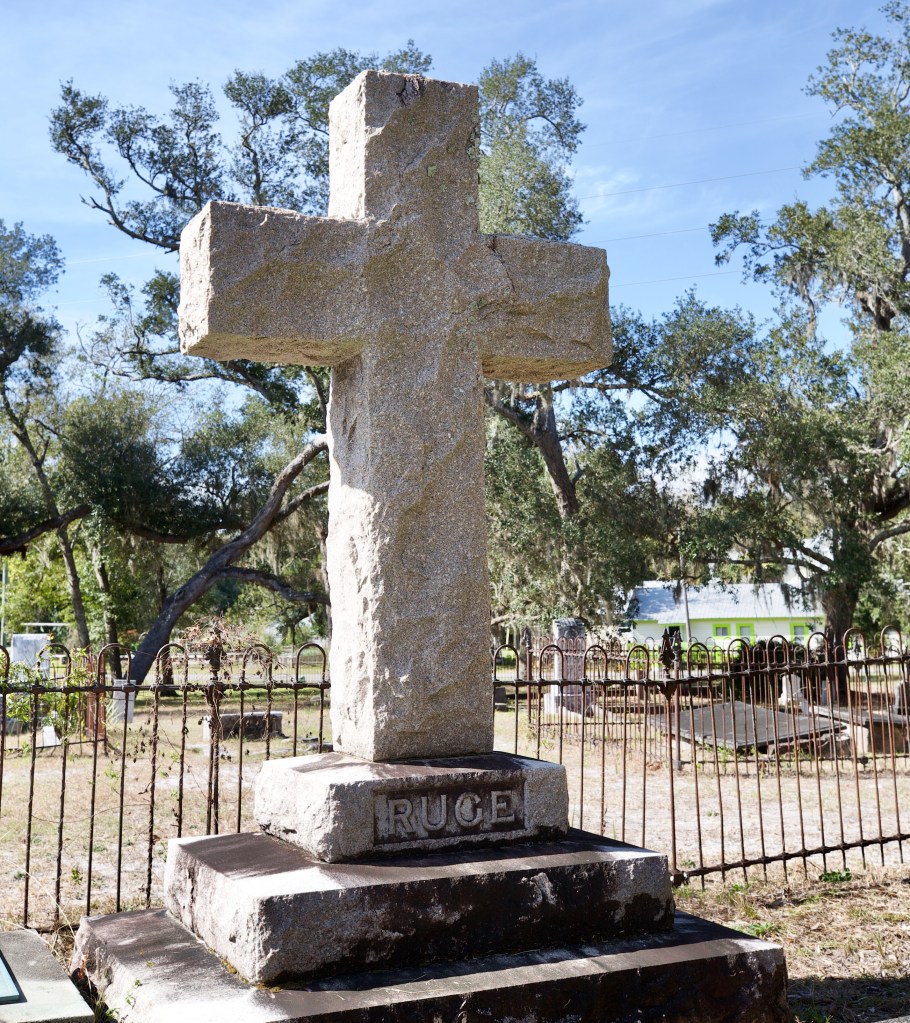
Catherine Spano immigrated from Greece and married Salvadore Spano who was a seafood dealer. H.F. Quant immigrated from England and was a printer by trade. Richard Porter moved to Apalachicola in 1833 and along with his brother William entered the cotton trade. They became one of the most prominent families in Apalachicola. Corneilius and Elizabeth Grady immigrated from Ireland and had four children. Their two boys started a business known as J. E. Grady & Co on Water Street which sold ship chandlery, dry goods and hardware. Charles Lind was a seafood dealer and businessman, he loaned money to the Presbyterian Church in 1909 to build a sanctuary. When the congregation did not repay the loan he foreclosed on the church. There is a stained glass window in the Episcopal Church in his memory. Herman Ruge immigrated from Germany and started a successful mercantile business. He had two sons who established the first successful oyster cannery in Apalachicola. Geno Zingarelli immigrated from Bari, Italy. He operated a boat yard and had a fleet of sponge boats.
The cemetery contains many different kinds of monuments which no doubt were very expensive to create and had to be brought in by ship, rail, or wagon.
Many people resting here were involved in the Civil War.
William Marr was killed by Confederate forces during the Civil War while gathering cattle to supply to the Union blockades. John Ruan was taken hostage by the U.S.Navy to ensure the safe return of two Union Sympathizers who had disappeared during the war. Upon his release he was arrested by the Confederate Army for traveling between the lines. Peter Wise was a member of the Pennsylvania Calvary until his horse fell on him goring him on the saddle pommel. Lt. Sanders Myers served as a Lieutenant in the Confederate Army. He was captured and was one of the “immortal 600” Southern Officers held as human shields by the Union Army under Confederate fire at Charleston. Joseph Lawrence served in the Florida Calvary and was the last Civil War Veteran in Franklin County, dying in 1933.
A monument to the Ruge Family who immigrated from Germany.
The mighty Apalachicola River was a dangerous place back in the day and is credited with several people resting in the cemetery. Henry Gordon was a Riverboat Pilot on the Apalachicola, Chattahoochee and Flint Rivers. Leander Crawford was a Steamboat Captain and was scalded when the boiler exploded at Bristol. John Jenkins took the first river steamboat up the Apalachicola and Chattahoochee Rivers to Columbus, Georgia in 1829, beginning the trade that made Apalachicola the third leading cotton port on the Gulf. Young Clarence Messina didn’t return home one evening in 1901and a search party found him in the river having drowned after falling off a dock. Louisa Bruni and Frank Messina were playing on a dock when Louisa fell into the river. Frank jumped in to save her but she latched onto him causing him to drown. When their bodies were recovered her arms were still wrapped around his neck.
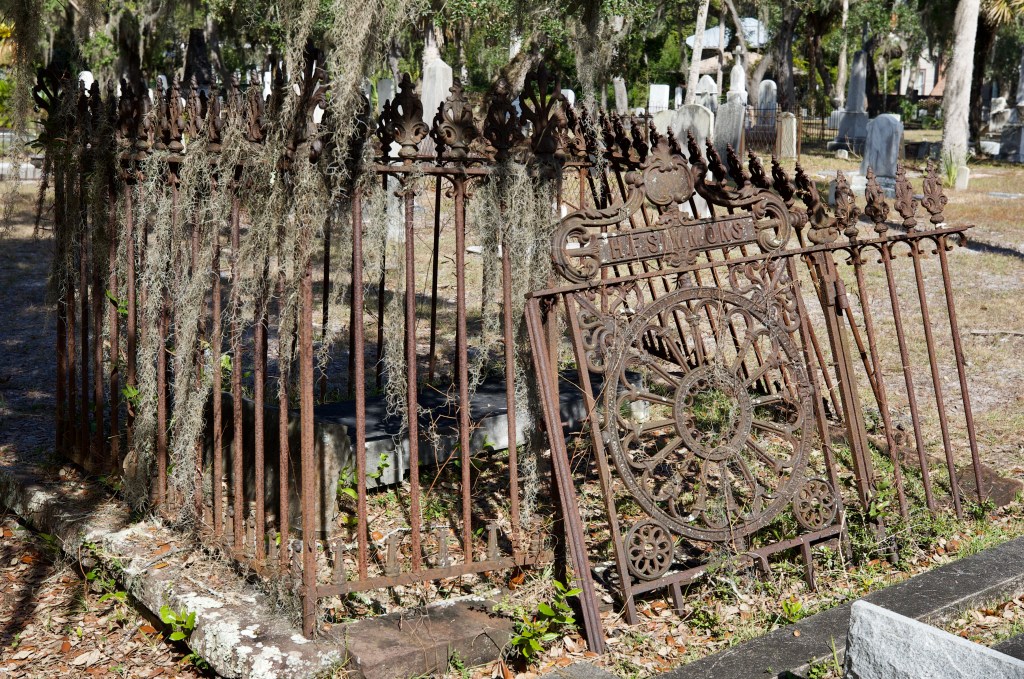
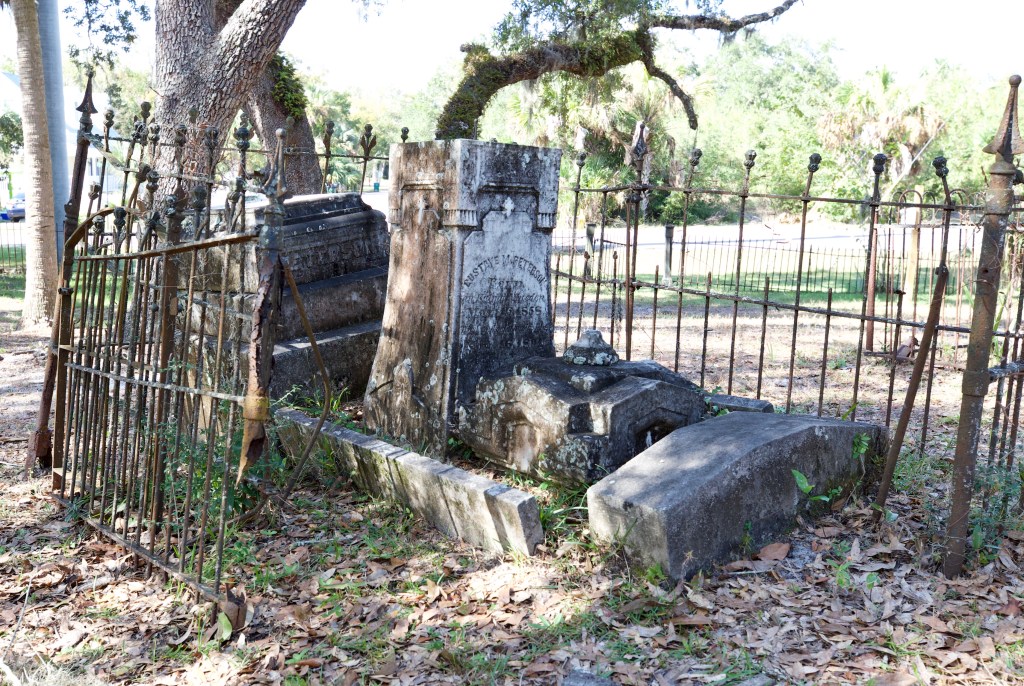
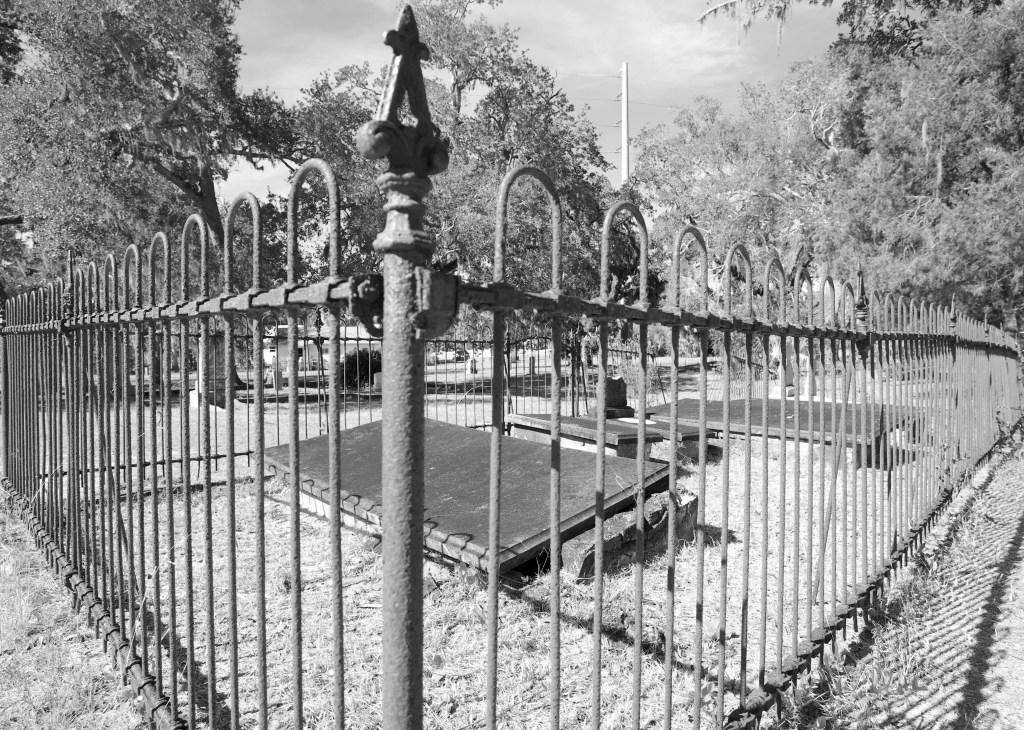
Wrought Iron fences enclose many family plots in the cemetery. This headstone was beautifully crafted. Time……After 141 years…
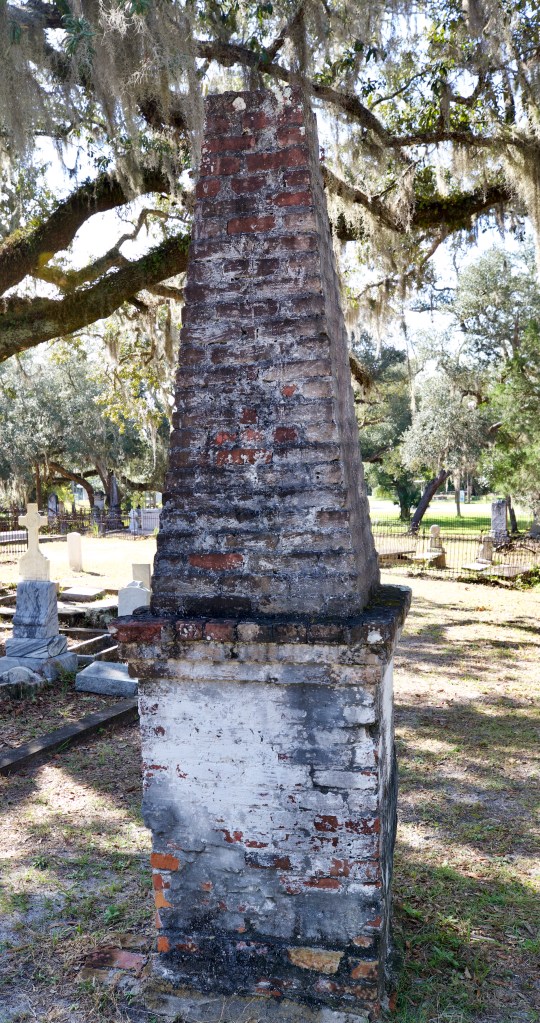
In the middle of the cemetery is a brick chimney. No one knows the significance of the chimney as it has stood in the cemetery as long as anyone can remember. Thought to possibly be a family memorial it has no identifying marks on it. For years it has served as a right of passage for local children to climb to the top before you were invited to play with the other kids.
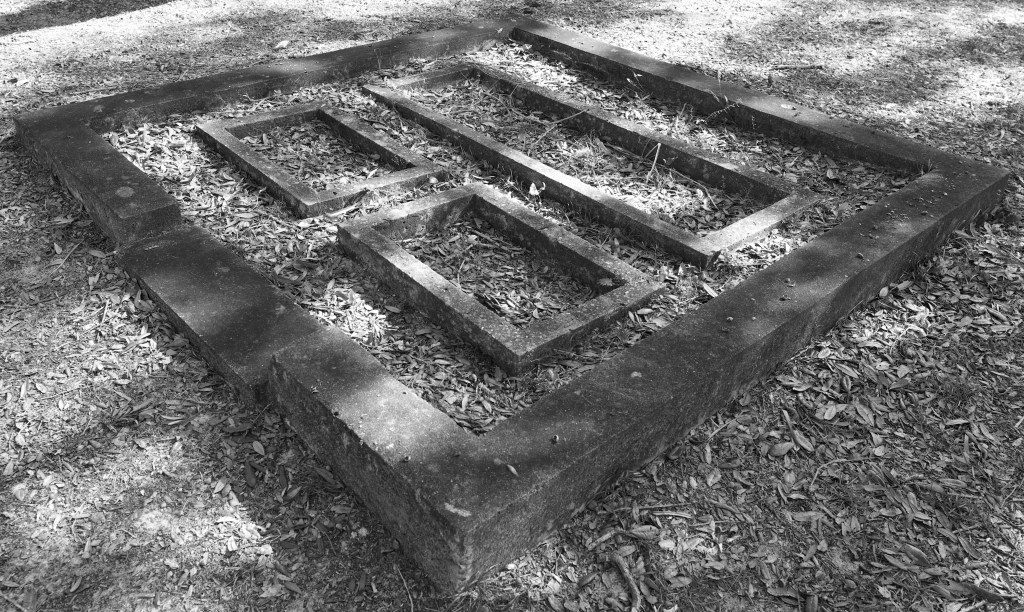
The cemetery chimney, no one knows why its here. The fence around Catherine Spano’s grave. Catherine was married to Salvadore who was a Greek immigrant who worked in Apalachicola as a seafood dealer. This unique gate was created by her nephew Salvadore Spano Jr. who was a blacksmith. This gate has held up very well. Time has slowly taken a toll. This unique configuration on the ground could be the resting place of a parent and two children but that is just a guess. It is unmarked. Wrought iron fences surround many family plots throughout the cemetery.
Visiting this cemetery was a walk thru the history of Apalachicola, Florida. All of the graves I saw were in an excess of 100 years old. Walking thru I thought about the lives of those buried here. What they saw, how they lived, what Florida must have been like back then. I gathered that the people buried here were hard working people who came to this area in search of a better life. They fought for what they believed in and laid the groundwork for what this community is today. Many were immigrants who left their homeland and came here in search of a better life.
Many Thanks to the Apalachicola Historical Society for providing the information that is in this blog. They have done an outstanding job compiling the history of this cemetery. Twice a year the Historical Society conducts a Ghost Tour in which local history enthusiasts take on the personna of the cemetery’s more notable inhabitants to tell of life in Apalachicola more than 100 years ago.
About this blog: The images in this blog were taken by Dave Ferrell using a Canon EOS 1DX with a 16-35 2.8 lens in RAW format. Information was provided by the Apalachicola Historical Society.
On our never ending quest north as section hikers on the Appalachian Trail, we began our October journey at the Ranger Station near Pigeon River on the Chestnut Creek Trail. Having spent the previous night at the Iron Horse Inn, we met our shuttle driver Jason mid-morning and he gave us a ride to the Big Creek Ranger Station. Once off-loaded, we began our two mile climb up the Chestnut Creek Trail which is an approach trail leading to the Appalachian Trail.
Chestnut Creek leading up to the Appalachian Trail
Chestnut Creek Trail was an arduous two mile hike uphill towards the AT. Last year, when we ventured downhill, we had to be careful as a tropical storm had pushed thru the night before leaving standing water and slick roots and rocks underfoot! Our climb uphill was a preview of what was to come for the next five days!
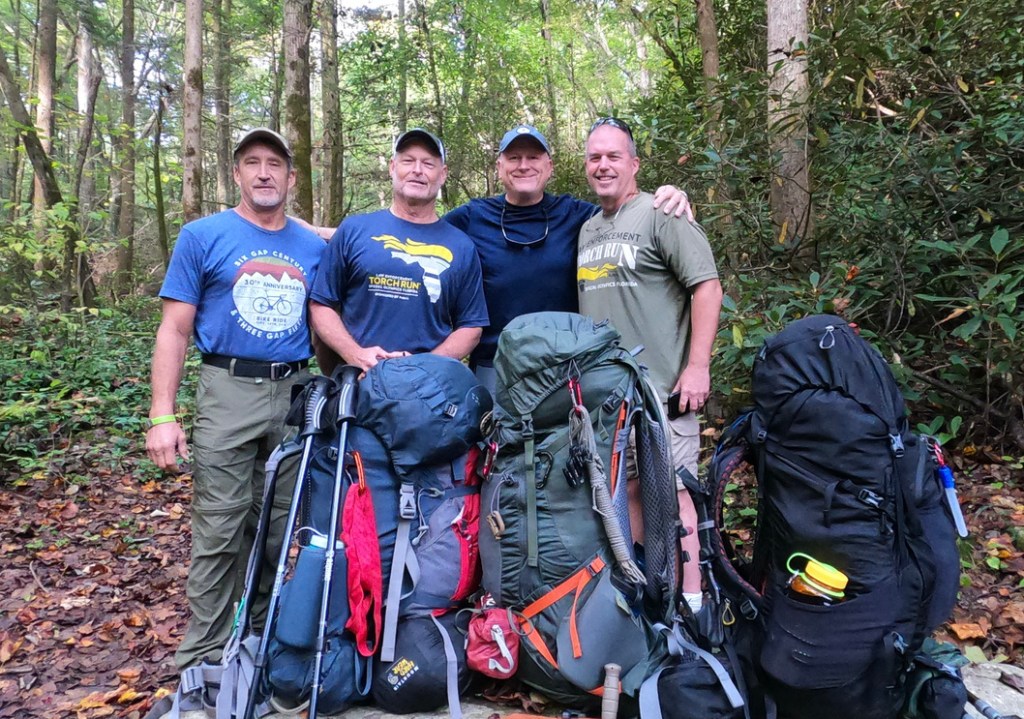
Our crew setting out on the Appalachian Trail
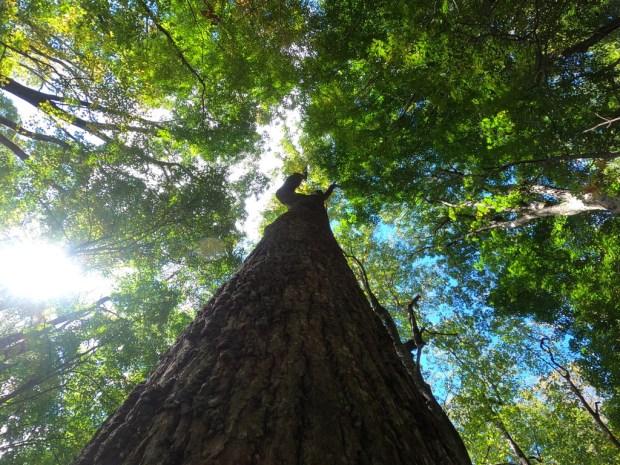
After reaching the AT, we turned north towards Davenport Gap. The cool October air had encouraged the leaves to begin to change colors and to fall from the trees. It was a beautiful hike and having hiked the AT numerous times, we saw more old growth timber along the trail than on any other time in recent memory. We crossed the full and heavily flowing Pigeon River as we made our way to our first stop which was the Standing Bear Farm Hostel.
Crossing the beautiful Pigeon River
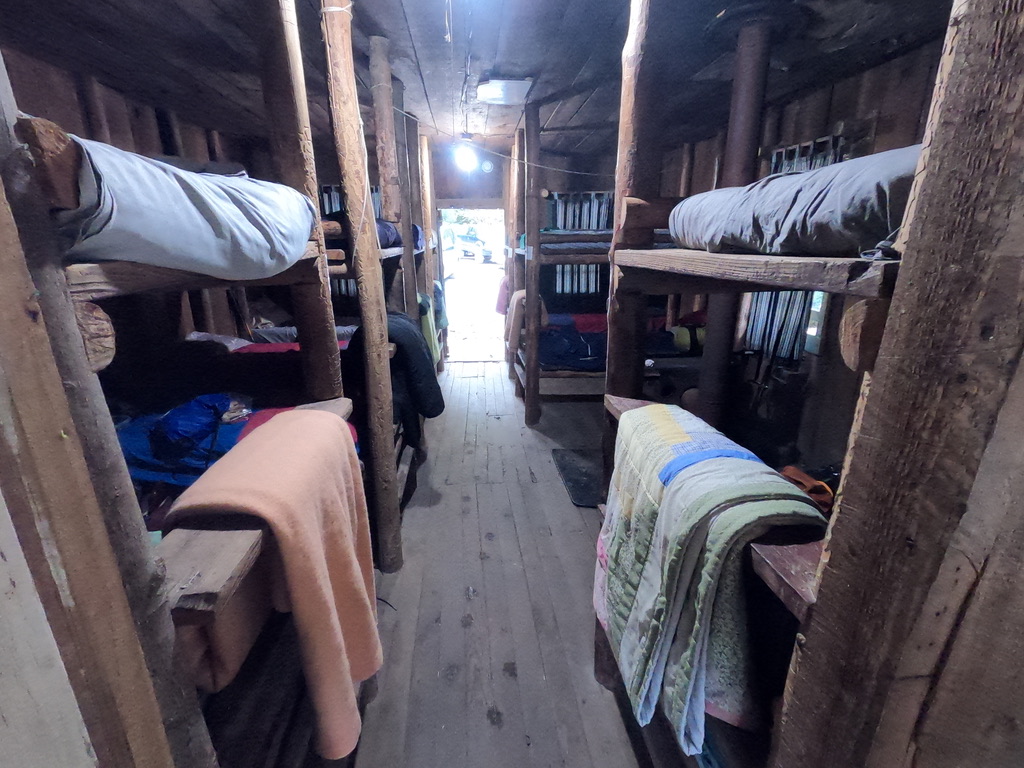
The Standing Bear Farm Hostel was a welcome sight at the end of our first day! Being hammock campers, we elected to spend the night in the bunkhouse as the hammock site was on the side of a steep mountain in heavy foliage. The Hostel afforded bunks, linen, a privy, port-a-lets, a shower with hot water, a kitchen and store, fire pit and several dogs forever looking for a handout! The cost for staying in the bunkhouse was $25.
The bunkhouse at Standing Bear Hostel Farm
After a good night’s sleep in the bunkhouse, we set out heading towards Groundhog Creek Shelter. We had seen signs in the area warning of bear activity and stating that the area around Groundhog Creek was closed to camping for four miles in each direction of the shelter. We had since been told that the shelter was open. However, we encountered a lot of bear scat along the trail heading towards this shelter which made it obvious that they weren’t kidding, there were a LOT of bears in the area! We decided to stay there and we did. We strung out hammocks up behind the shelter and one fellow hiker decided to stay in the shelter that night. After dinner, we strung our food up on the bear cables near the shelter for safe keeping!
Lunch at a FAA air control siteThe Warbonnet Blackbird is ready for the night!Edward finds a great water source a couple hundred yards below Groundhog Creek ShelterEdward enjoys a cool drink after filtering the water! Supper time at Groundhog Creek Shelter
The night at Groundhog Creek was uneventful although the clouds moved in during the night and left the area very wet. We had breakfast, broke camp and were on our way. Today would lead us to the Roaring Fork Shelter by way of a beautiful mountain top known as Max Patch. The day was clear and warm and perfect for walking through the woods. Again, we saw some huge old growth timber today. As we approached Max Patch, we encountered a “trail angel” set up on the Max Patch Road. “Fresh Ground” and his “Leap Frog Cafe” was cooking chicken & rice and grilled cheese sandwiches and two of our crew could not resist! Needless to say, we heard about this wonderful meal throughout the remainder of the trip! It goes without saying that if you are lucky enough to encounter “Fresh Ground”, please do yourself a favor and enjoy some of his trailside gourmet fare. You won’t be disappointed!
Our crew with Fresh Ground (blue shirt) during a break in the action!
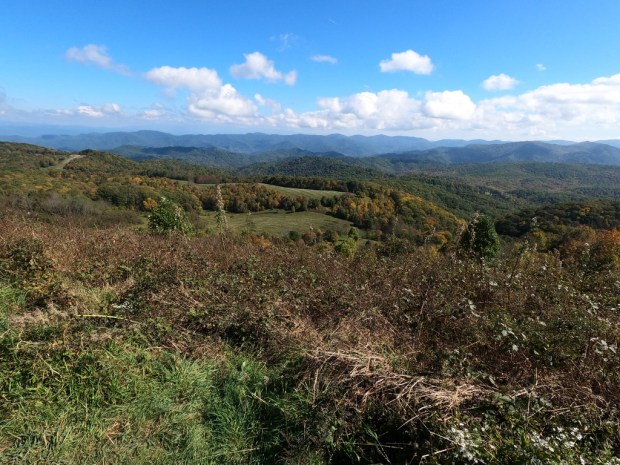
We continued our trek up Max Patch mountain and were in awe of the beauty of the views from on top. The day was clear and you could see forever in all directions! There was a park and parking lot at the base of the mountain which allowed park goers to hike to the top of the mountain for a view! We had seen more people in this area than any other area on the trip. Rumor had it that people had been camping on the mountaintop and doing so much damage that they now prohibit camping there.
The AT leading to the top of Max PatchViews on the top of Max Patch
After descending Max Patch, we finished our day by walking to the Roaring Fork Shelter! The Shelter was filling fast as daylight began to fade. We quickly hung our hammocks and watered up at the creek crossing down below. We cooked dinner and called it a day.
The Roaring Fork Shelter is a popular spot for campers. Old growth timber is abundant on the trail These white lines, known as “blazes”, designate the AT.
After breakfast and breaking camp, we began the longest day of the trip, an 11 mile trek to Garenflo Gap. Garenflo is not a designated camping area but a parking lot. However, we were told we could camp in the wooded area above the parking lot and that’s what we counted on. Today was uneventful other than focusing on getting to Garenflo before dark.
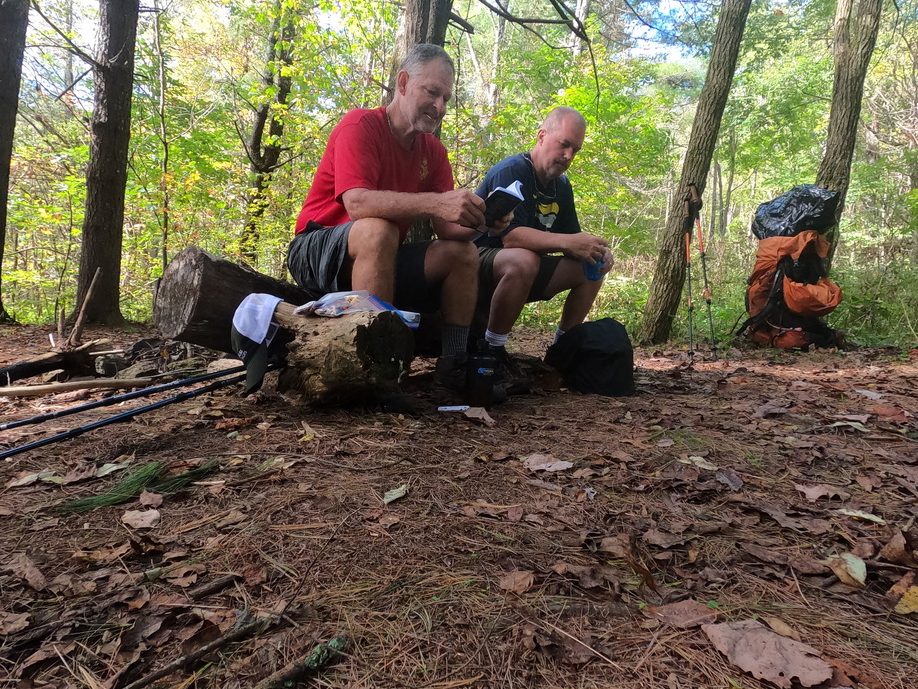
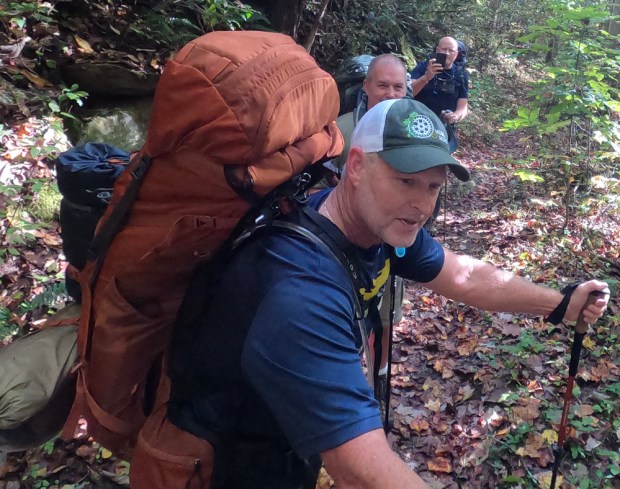
Lawrence and Jay study their trail maps during a water break. Time to get going! Don’t feed the bears is a cardinal rule. Jay and Edward stop for a photo.
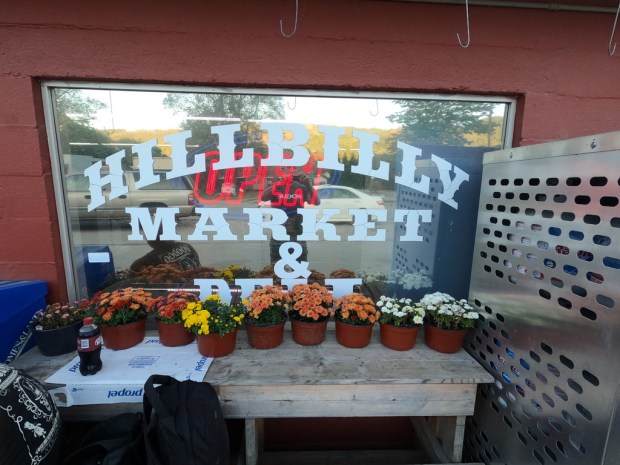
Arriving at Garenflo Gap, we found a camping area just above the parking lot. Camp was set up and dinner made. Due to a lack of bear cables, we used parachute cord to secure our food bags to a overhanging limb. Night was quiet except for the hoot of a distant Barred Owl. After breakfast the next morning and only 7 miles left to go, we were excited and smelling the barn. This last day involved some climbing but more downhill than up. As we approached the town of Hot Springs, NC we could hear road traffic and see rooftops through the tree tops below us. Upon arrival at Hot Springs, we headed to the Hillbilly Market for sub sandwiches. This was probably the best sub sandwich I have ever had!
The Hillbilly Market is a great place to stop!
After lunch, we meandered down to the Iron Horse Hotel and got our rooms and took a hot shower! The ladies at the Hotel agreed to do our dirty laundry and we spent the afternoon exploring the town and resting. Hot Springs is a very quaint little town. There is an outfitter next to the Hotel that has just about everything one needs to hike the Appalachian Trail.
AT symbols in the sidewalk in Hot Springs. Guest entrance to the Iron Horse Station.
The Iron Horse is an old hotel with a railroad theme. The rooms are small and clean and the hallways and stairwell took us back to yesterday!
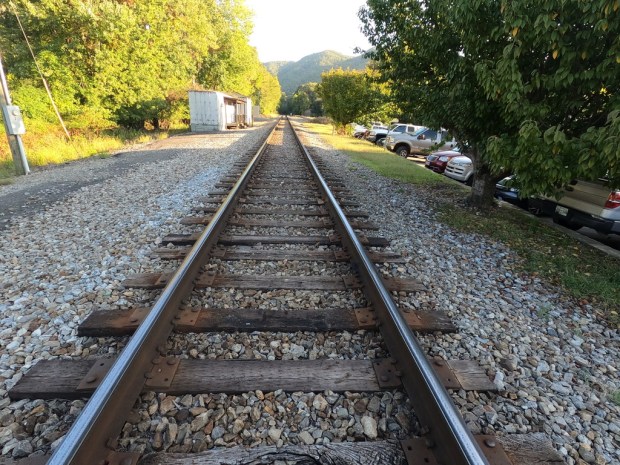
Interior hallway at the Iron Horse StationWooden stairs at the Iron Horse Station. Beautiful old floors at the Iron Horse StationThe railroad passes near the hotel.
After a delicious dinner and live entertainment at the Iron Horse, we turned in early. The weather was changing and rain was forecast for the next day. We had lucked out during the week as we never got rained on. About 3am, I was awakened by the sound of a distant mountain train. The train soon passed near the hotel and I couldn’t help but think of what it must be like to be the engineer on a mountain train at night!
Sometimes two trains a day come thru Hot Springs! The railroad plays a big part of Hot Springs’ history
6am came early and we packed up and headed home. Next year we will start at Hot Springs, NC and continue our venture north!
All photos were taken with a GoPro Hero8 Black. Hope you enjoyed this blog. Any questions can be directed to Dave Ferrell at ferrelld85@gmail.com.

































































 Blackwater Images